
Four Card Poker Rules Explained: Ante, Play, Aces Up and What the House Edge Means for You
Four Card Poker looks like a quick cousin of three card poker, but the decisions are different and so is the math. You play against the dealer, not other players, and you choose between folding and raising after seeing your cards. This guide explains the layout, the bets, the dealer hand, and what the house edge really tells you.
How a Round Is Played
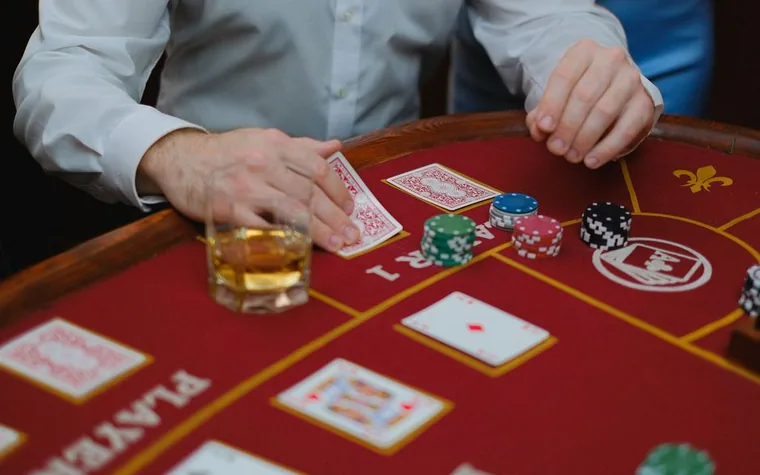
You start with an Ante bet. Some tables also offer an optional Aces Up bonus bet. You receive five cards and the dealer receives six. Each side then builds its best four-card hand, so you have one spare card to set aside. Looking at your hand, you either fold and lose the Ante, or make a Play bet. The size of the Play bet is limited to a multiple of the Ante, and the allowed range is posted on the table sign. Check it before you sit down.
The Dealer Hand and Ranking
The dealer reveals the best four-card hand from six cards. Many versions require the dealer to qualify with a minimum hand. If the dealer does not qualify, the Ante usually pays even money and the Play bet is returned, but the exact qualifier varies, so read the rules at your table. Hand rankings are also adjusted for four cards, because flushes, straights and three of a kind occur at different frequencies than in five card poker. Use the ranking chart printed on the layout rather than assuming standard poker order.
What the Aces Up Bonus Pays
Aces Up is a separate side bet. It pays according to a paytable based on your own four-card hand, usually starting with a pair of aces, and it has nothing to do with how your hand compares to the dealer. Paytables differ between casinos, and that single difference can move the bet's cost by several percentage points. Compare the posted paytable before you place it.
When to Raise and When to Fold
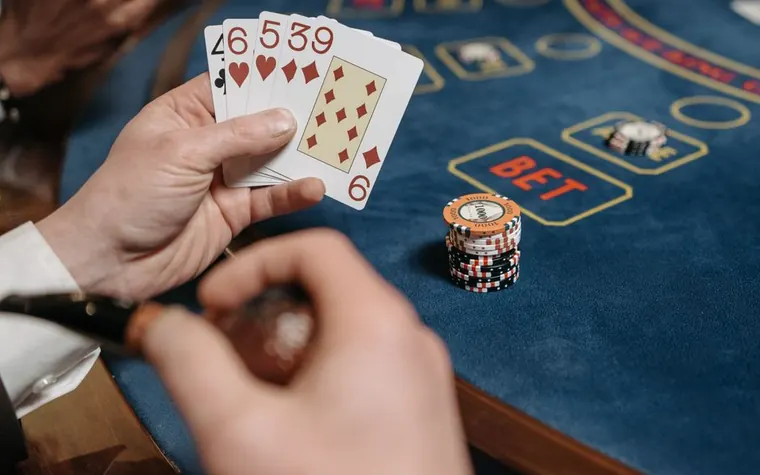
Published strategy charts for the game are simple: raise with strong hands and fold the weakest ones. Pairs of higher ranks and better hands are raises, while hands with no pair and low cards are folds. Where exactly the line falls depends on the dealer qualifier and the maximum Play multiple, so use a chart made for your table's rules. Folding is not a failure; with a weak hand the math says giving up the Ante costs less than risking more.
House Edge in Plain Terms
Analyses of common rule sets put the combined edge on the Ante and Play bets in the low single digits, a bit higher than good blackjack and lower than many side bets. The Aces Up bonus generally costs more. Remember that the figure is an average over a very large number of hands. It does not predict your next session, and no strategy removes it. Our house edge comparison shows how this game ranks against others.
Common Mistakes
The most frequent errors are raising with weak hands because the table feels hot, playing the bonus bet as if it were free, and copying a chart from a different paytable. Another is raising the stake to chase earlier losses. Each hand is independent, and past results change nothing. If you already know three card poker, read our three card poker guide to see how its ante and play structure differs.
Practical Tips
Learn the posted qualifier, ranking chart and Play limits first, and start with the lowest table minimum. Decide a time and spending limit before the first hand and stop when you reach it. For more game explainers, browse the casino section.
General information only; rules, payouts and table limits vary by casino and jurisdiction, so check current terms. Casino gambling is for adults only: 21+ in the United States and 18+ in the United Kingdom, where applicable. Gambling is entertainment with a built-in cost, not a way to make money. See our responsible gambling page if it stops feeling like fun.
All content is fact-checked under our editorial standards.