
Pontoon Rules Explained: Twist, Stick, the Five Card Trick and Why the Banker Wins Ties
Pontoon looks like blackjack at first glance: the goal is 21, the cards are the same, and the dealer plays against you. The differences are small on paper and large in practice. Different names for hitting and standing, a special five-card hand, and a rule that gives the banker every tie all change how the game plays and what it costs. This guide explains how Pontoon works, where it is dealt, and why you should read the rules before you sit down.
What Pontoon Is and Where You Find It
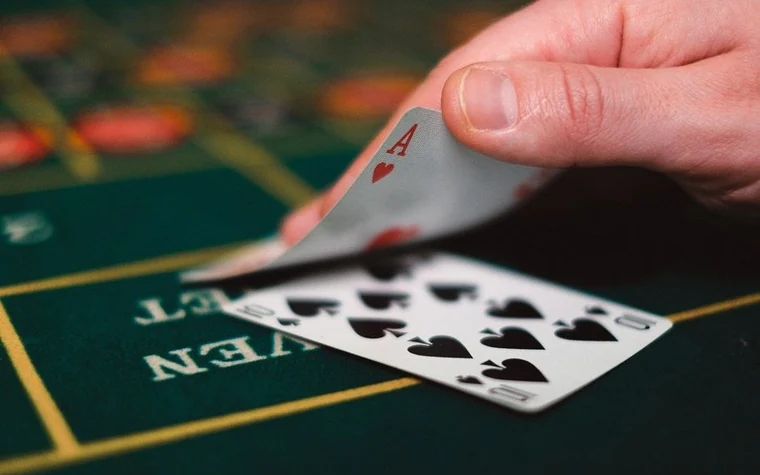
Pontoon is a British-origin relative of blackjack, and the name is often said to come from a mispronunciation of the French vingt-et-un, meaning twenty-one. It is better known as a home and pub card game, but some casinos in Australia and a few other Commonwealth markets have offered it as a table game. Availability changes, so check with the casino before you plan a trip around it. Many casinos have never dealt it at all.
The Basic Rules
Each player gets two cards, and the banker (the dealer) also gets two. In a typical casino version your cards are dealt face down, which means you see your own hand but not the banker's. You are trying to get closer to 21 than the banker without going over. Number cards count at face value, face cards count 10, and an ace counts 1 or 11. Going over 21 is called a bust, and a busted hand loses immediately.
Twist, Stick, Buy and Split
Pontoon has its own vocabulary. To take another card you say twist, which is the same as a hit in blackjack. To stand you say stick. Some tables also let you buy a card, which means raising your stake to receive an extra card face down instead of face up, usually with limits on how much you can add. Pairs can generally be split into two hands, though the exact conditions differ between casinos. Many tables also stop you from sticking on a total below 15, so the room for choice is narrower than in blackjack.
The Pontoon and the Five Card Trick
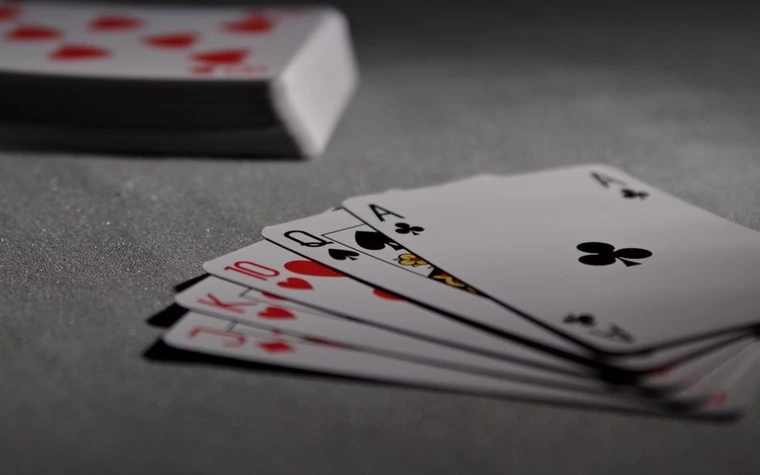
The best hand is the pontoon: an ace plus a ten-value card as your first two cards. It usually pays 2 to 1, which is better than the 3 to 2 you see on a blackjack natural. Next comes the five card trick, five cards totaling 21 or less without a bust. It also tends to pay 2 to 1 and it beats a normal 21. Both hands are rare, and they are the main reason the game is described as generous to players. The next section shows what the game takes back.
The Banker Wins Ties
The rule that matters most is that, on most rule sets, the banker wins ties, with exceptions that vary by table. In blackjack a tie is a push and your bet comes back. In Pontoon a tie loses, and ties come up often. The banker also has to twist on 15 or less and stick on 16 or more, which removes decisions but not the tie advantage. That tie rule is the cost built into the generous payouts.
Is It Better Than Blackjack?
It can be close. Rule sets vary a lot, and published house edge figures for Pontoon range from well under one percent with perfect strategy up to several percent for players who guess. Whether it beats a good blackjack table depends on the exact rules posted, on the number of decks, and on whether you actually play the correct strategy. Compare it with the figures in our blackjack basic strategy guide and the surrender and soft 17 guide. If a rule card is not posted, ask a floor supervisor.
Strategy and Common Mistakes
Strategy is a table of correct plays based on your total and the banker's possible cards, but because you cannot see any banker card in the face-down version, the usual blackjack charts do not carry over. Players who copy blackjack habits commonly stick too early and lose to the tie rule. Sensible habits are to learn the specific rule set, and stay away from any betting system that claims to fix the math. Nothing here lowers the house edge below what the rules allow. A related game with unusual rules is covered in our Spanish 21 guide.
General information only, not gambling advice; rules, payouts and limits vary by casino, so confirm them at the table. Casino gambling is for adults where it is legal: 21+ in the United States and 18+ in the United Kingdom. Play only at licensed venues, and never wager more than you can afford to lose. See our responsible gambling page if it stops feeling like fun.
All content is fact-checked under our editorial standards.