
Trente et Quarante Explained: Rouge et Noir, Couleur, Inverse, the Refait on 31 and the Low House Edge Behind This Classic European Card Game
Trente et Quarante, French for thirty and forty, is one of the oldest card games still dealt in European casinos. It is quiet, quick to learn and built around a total of 31, and it carries a lower house edge than most table games on the floor. It is also rare, and many casinos have never offered it. This guide explains how the game works, what the bets mean, where the house gets its edge and why the numbers are not a path to profit.
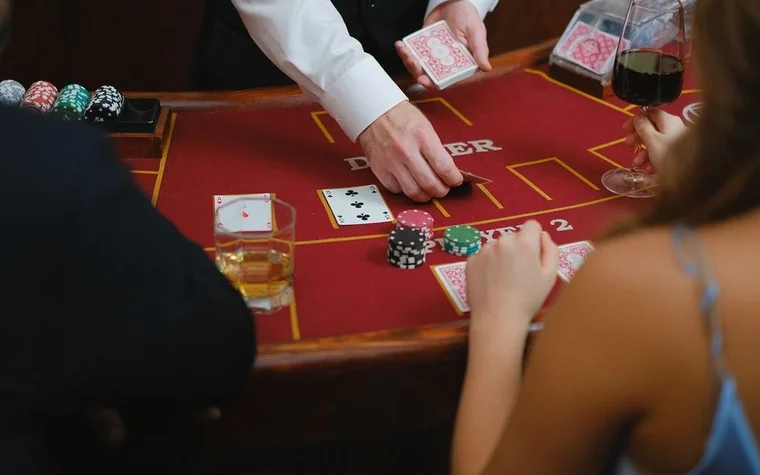
What Trente et Quarante Is
The game is also called Rouge et Noir, meaning red and black, and it is tied to the grand casinos of the French Riviera and a handful of other European venues. It is most strongly associated with Monte Carlo, where it has been dealt for well over a century. Outside a few traditional casinos you are unlikely to find it, so check with the venue before you plan a visit around it. Dress and etiquette at these tables tend to be more formal than at a modern slot floor.
How a Round Works
The game is played with six standard decks shuffled together. The dealer lays out two horizontal rows of cards. The first row is called noir (black) and the second is called rouge (red). Cards are dealt into the noir row until its total reaches 31 or more, then the same is done for the rouge row. Aces count as 1, face cards count as 10, and every other card counts at face value. Each row therefore ends with a total between 31 and 40, which is where the name comes from.
Who Wins the Hand
The row whose total is closest to 31 wins. If noir finishes on 33 and rouge on 36, noir wins, because 33 is nearer to 31. Players do not touch the cards or make any decisions during the deal. Everything happens at the moment of the bet, which makes the game closer to roulette than to blackjack. Winning even-money bets pay 1 to 1, so a bet of 10 returns 20 in total when it wins.

The Four Main Bets
There are four standard even-money bets. Rouge wins if the red row is closest to 31, and noir wins if the black row is closest. Couleur depends on the first card dealt: if it is black, the color of that card matches the noir row, and couleur wins when noir wins. Inverse is the opposite and wins when the winning row is the opposite color of the first card. Players who want to cover both sides of a hand sometimes use these four together, but covering both sides only gives you the house edge twice. Exact table limits and the bet layout differ by casino, so read the felt before you stake anything.
The Tie Rule and Where the Edge Comes From
If both rows finish on the same total, other than 31, the hand is a tie and your bet is returned. The exception is the tie on exactly 31, called a refait. On a refait, the casino typically takes half of your even-money stake, or places the bet under a rule similar to prison in roulette, depending on the venue. That one rule is where the house edge comes from. Published figures put the edge on the main bets at roughly one percent, which is comparable to the best roulette rules. Some tables also offer an insurance bet that pays out on a refait, for a small extra stake. Check the exact terms at the table.
Is It a Good Game?
On the numbers, yes, the edge is low compared with most casino games, and that is why serious table players like it. But low is not zero. Every hand still has a negative expected return for you, and the shuffled shoe makes every hand independent in practice. A low edge simply means you lose more slowly on average. For a wider comparison read our house edge guide, and see how a similar even-money structure works in baccarat and in European roulette.
Common Mistakes
The most common mistake is believing that streaks of red or black predict what comes next. They do not, and our guide to baccarat scorecards explains why the same logic applies to any shoe game. The second is chasing losses by raising bets after a bad run, which does not change the math. A better approach is to set a budget before the session, keep bets small relative to it and walk away when it is gone. No staking plan beats a negative expectation.

General information only, not gambling advice; rules, payouts and limits vary by casino, so confirm them at the table. Casino gambling is for adults where it is legal: 21+ in the United States and 18+ in the United Kingdom. Play only at licensed venues, and never wager more than you can afford to lose. See our responsible gambling page if it stops feeling like fun.
All content is fact-checked under our editorial standards.