
Cashless Gaming at Casinos Explained: Mobile Wallets, Deposit Limits, Privacy and Fees to Check Before You Play
Cashless gaming lets some casinos accept payment from a phone app or account instead of chips, bills or paper tickets. Where it exists it is still new, rules differ by state and country, and many venues do not offer it at all. This guide explains how cashless play generally works, what it changes for your budget and privacy, and what to check before you use it on a trip.
What Cashless Gaming Means
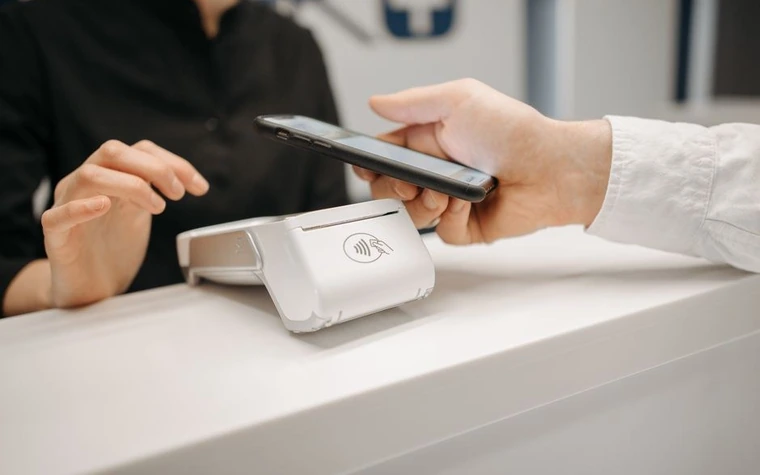
In a traditional casino you convert cash into chips at a table or into a ticket or credits at a RTP, volatility">slot machine. Cashless gaming replaces that step with a digital balance. The balance is usually held in a casino-run wallet or account, funded from a bank account, debit card or a cash deposit at a kiosk or the cage. Depending on the property, you then move money to a slot machine or table by tapping a phone, scanning a code or using a player card. Some venues still print a ticket at the end; others return the money to the wallet.
Where It Is Offered
Availability changes quickly. Some regulated jurisdictions in the United States have approved cashless wagering in principle, and a limited number of resorts have introduced it on selected slot banks or in specific areas. Other regulators have not, and in many countries casinos remain cash and card only. Do not assume a venue supports it because a competitor does. Check the casino website or app, ask at the player services desk, and confirm which games and areas are covered before you rely on it.
How a Typical Cashless Session Works
The exact steps vary, but most follow a similar pattern. You create or link an account, which normally requires government ID so the casino can verify your age and identity. You fund the wallet, set any limits the system offers and connect it to a machine or table at the venue. When you finish, you transfer the remaining balance back to your bank, withdraw it as cash at the cage or convert it to a ticket. Withdrawals to a bank can take time, and some operators apply minimums or hold funds for review, so read the terms first.

What It Changes for Your Budget
The main risk is psychological. Handing over cash feels like spending; a tap on a phone does not. Research on card payments in general suggests people often spend more when the payment is less visible, and casinos are designed to remove friction. Treat cashless funds the same as the cash you would have brought. Fund the wallet only with your session budget, not your whole account, and decide before you start what you will do when it runs out. Our bankroll basics guide shows how to set those numbers.
Limits and Safeguards to Look For
Responsible operators provide deposit limits, loss limits, time reminders and the option to pause or close the account. Look for these before you fund the wallet and set them while you are calm, not mid-session. Check whether a limit can be raised instantly or only after a waiting period; a cooling-off delay is the safer design. If you are enrolled in a self-exclusion program, a cashless account should be blocked along with the rest of your access; the guide to self-exclusion programs explains how that works.
Privacy, Tracking and Fees
A cashless account links your identity to every transaction, which makes play easier to track than anonymous cash. That data may be used for rewards, marketing and regulatory reporting. Read the privacy policy, and see our explanation of casino player cards for what is commonly collected. Also check for fees: some bank cards treat a casino funding transaction like a cash advance, and your bank may add charges or block it. Our guide to casino ATMs and cash advances covers the cost side.
Taxes, Security and Practical Tips
Large wins are reported the same way whether you play with cash or a wallet, so keep records of deposits and withdrawals. Protect the account like a bank login: use a strong unique password, enable two-factor authentication and never share codes with anyone at the venue. Keep some backup payment method in case the system is down, and keep the app updated. If a transaction looks wrong, screenshot it and contact the operator, then the gaming regulator if it is not resolved.

General information only, not gambling advice; cashless rules, limits and fees vary by venue and jurisdiction, so confirm details before you travel. Casino gambling is for adults where it is legal: 21+ in the United States and 18+ in the United Kingdom. Play only at licensed venues, and never wager more than you can afford to lose. See our responsible gambling page if it stops feeling like fun.
All content is fact-checked under our editorial standards.