
Casino ATMs and Cash Advances Explained: Surcharges, Withdrawal Limits and Cheaper Ways to Get Cash Before You Play
Most casinos have a cash machine somewhere on the property, and it is usually the most expensive way to get money in the building. This guide explains how casino ATMs and cash advances work, what they typically cost, and cheaper ways to plan your cash before you arrive.
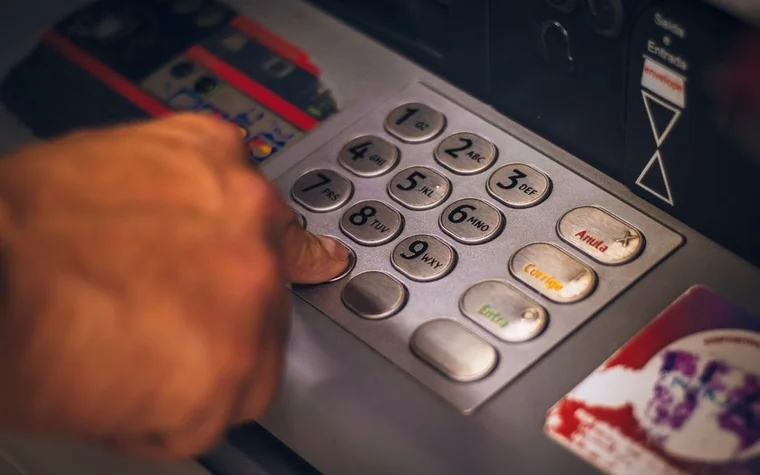
Why Casinos Have ATMs on the Floor
Casinos want you to be able to get cash without leaving, and many floors have several machines near the entrances, the cage and the slot banks. In most places the machines are run by outside operators under contract, not by the casino itself. That matters because the operator, not your bank, usually sets the fee. The convenience is real, but you pay for it.
The Fees Stack Up
A single withdrawal can carry more than one charge. The ATM operator may add a surcharge, your own bank may add an out-of-network fee, and a foreign card can also trigger a currency conversion fee. These amounts differ by machine and by bank, and casino ATMs often charge more than a street machine. The screen should show the surcharge before you confirm, so read it and cancel if the total looks high. Check your bank's current fee schedule rather than assuming.
Cash Advances Are a Different Product
Some casino machines and cage windows let you pull cash against a credit card. That is a cash advance, not a purchase. Card issuers commonly charge a separate fee and start interest at once, with no grace period, and the rate is often higher than for normal spending. Treat it as expensive borrowing. If you cannot pay the balance in full when the statement arrives, a night of play can cost far more than the amount you lost.
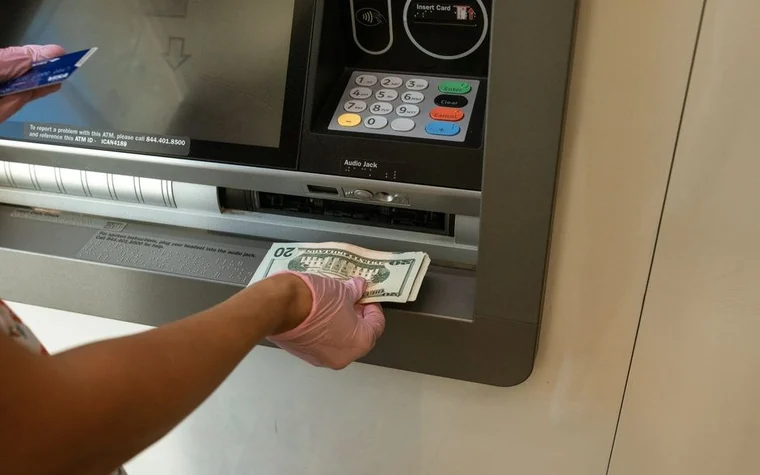
Credit Lines and Markers Are Not ATM Cash
High-limit players sometimes arrange a credit line with the casino, which is covered in our guide to casino markers. That is a separate, pre-approved arrangement with its own paperwork and repayment rules. It is not the same as pulling money from a machine on the floor, and it is not something to improvise at midnight.
Limits, Declines and Holds
Machines have daily withdrawal limits set by both the operator and your bank. Banks may also flag a withdrawal at an unfamiliar casino or in another country and decline it as suspected fraud. Some cards place a temporary hold on the money. If a withdrawal fails, do not keep retrying at different machines, because repeated attempts can freeze the card. Call your bank, and tell it in advance if you are traveling.
Cheaper Ways to Plan Your Cash
The simplest fix is to decide your budget before you leave and bring it with you. If you need cash on a trip, withdraw it from your bank's own network or a bank branch ATM during the day, not on the casino floor. Some resorts also let guests move money through the cage with ID, and our guide to the casino cage explains what to expect there, including when ID is required. Ask the casino about its current options and fees before you rely on them.

Treat the ATM as a Warning Sign
If you reach the machine because your session budget is gone, that is the moment to stop. Our guide to casino bankroll basics shows how to set a loss limit and a stop time before you walk in. Every game has a built-in house edge, so extra cash does not change the odds, it only raises what you can lose. Many casinos also let you ask staff to remove ATM access or set limits through responsible gambling tools, and a quick question at the desk is enough to start.
General information only; ATM fees, withdrawal limits, cash advance terms and casino cash policies vary by venue, bank and country and can change, so confirm current details with your bank and the casino before you travel. Casino gambling is for adults only: 21+ in the United States and 18+ in the United Kingdom, where applicable. Gambling is entertainment with a built-in cost, not a way to make money. See our responsible gambling page if it stops feeling like fun.
All content is fact-checked under our editorial standards.