
Casino Table Etiquette Explained: Hand Signals, Chip Handling and Manners at the Table
Casino tables are noisy, fast and crowded, so dealers rely on a small set of physical habits instead of conversation. How you place a bet, touch your cards or signal a decision is part of the game's rules, and the cameras above the table depend on it. This guide explains the common hand signals, chip handling rules and table manners so a first visit feels calm instead of confusing.
Why Tables Use Signals Instead of Words
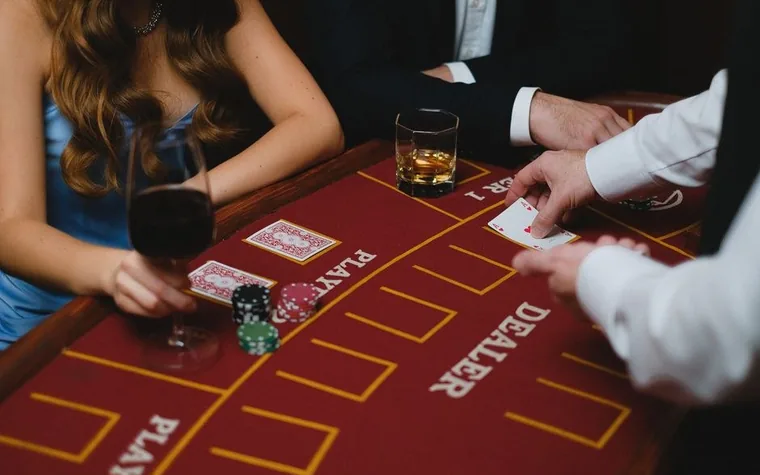
A dealer has to be heard by the player, but also seen by the floor supervisor and recorded by surveillance. Spoken instructions get lost in slot noise and cannot be reviewed later. A clear hand gesture can be checked on video if there is ever a dispute, which protects both the player and the casino. For that reason, many tables expect you to signal even when you say the decision aloud as well.
Blackjack Signals: Hit, Stand, Double and Split
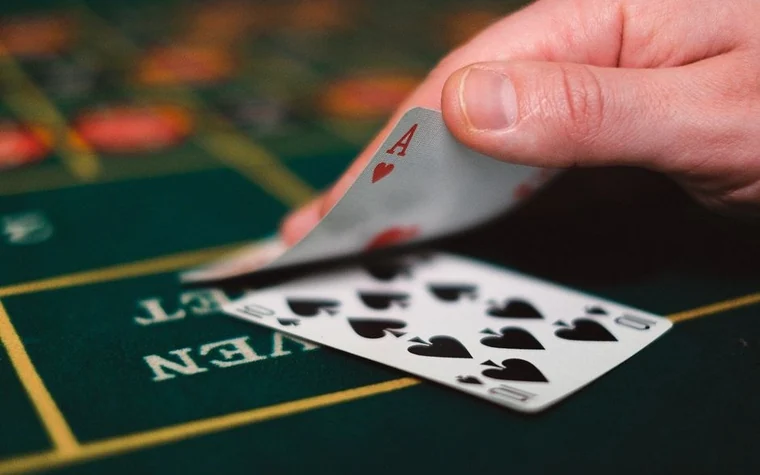
In a face-up game, where cards are dealt open, you do not touch the cards at all. To take another card, tap the felt beside your hand or make a small scratching motion toward yourself. To stand, wave a flat hand over the cards, palm down. To double down or split, place an extra bet next to the original wager, then show one finger for a double or two fingers in a V shape for a split. In a handheld game, you tuck your cards under the bet to stand and scratch them lightly on the felt to hit. Rules vary by casino, so watch the table for a hand or two before you play.
Chip Handling: Where Your Hands Belong
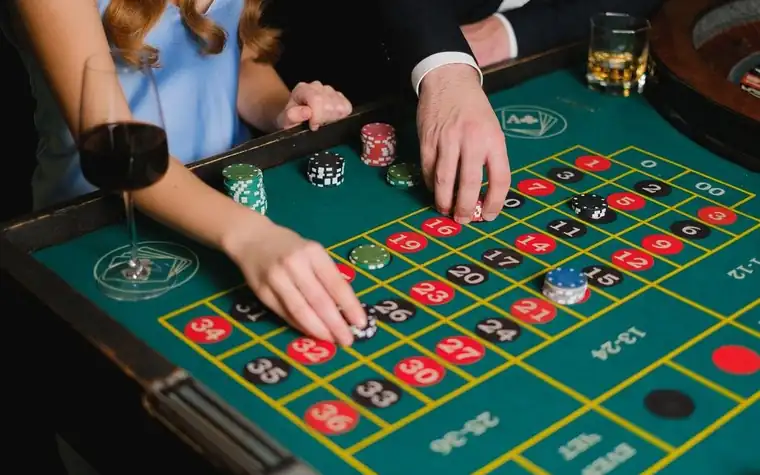
Once the dealer starts the round, keep your hands away from your bet. Touching chips after the cards are out or the wheel is spinning can look like an attempt to add, remove or switch a wager, and it will draw attention quickly. Roulette tables often give each player a different chip color, so ask for color chips when you buy in and keep them separate. Place bets neatly inside the marked area and stack chips in tidy piles. If you cannot reach a spot on the layout, ask the dealer to place the bet for you.
Cards, Cash and Phones
Cash goes on the table, not into your hand. Place bills flat on the layout and let the dealer call it for a chip change; the dealer will not take money directly from your hand. Do not pass chips or cards to another player. Keep your phone off the felt, since many tables prohibit calls and photos, a point covered in our guides section on electronics. If you step away, tell the dealer, and do not leave chips unattended on a live bet.
Manners With the Dealer and Other Players
Dealers do not set the cards or the outcome, so blaming them for a bad run is pointless and rude. Keep comments short and friendly. Do not give advice to other players unless they ask, because a suggested play that goes wrong can start an argument. Tipping is common but never required, and it is a separate topic from etiquette itself. Drinks are fine, but keep them on the cup holder or rail, not on the felt.
Handling Mistakes and Disputes
If you make a signal by mistake, say so at once and wait for the dealer. If a decision seems wrong, stop and ask for the floor supervisor instead of arguing across the table. Staff can review surveillance and apply the posted rules. Most problems at the table come from fast hands and misheard words, not bad intent. Staying calm tends to solve them quickly. If a result cannot be settled at the casino, the regulator for that jurisdiction is the next step.
What Good Etiquette Cannot Do
Good manners make a table pleasant and keep the game moving, but they do not change the odds. No gesture, ritual or lucky habit affects the cards or the wheel, and the house edge stays the same whether you tap the felt gently or firmly. Treat signals as the language of the game and set a budget you can afford to lose before you sit down. Our casino section explains the rules and odds game by game.
General information only, not gambling advice; signals, rules and limits vary by casino, so confirm them at the table. Casino gambling is for adults where it is legal: 21+ in the United States and 18+ in the United Kingdom. Play only at licensed venues, and never wager more than you can afford to lose. See our responsible gambling page if it stops feeling like fun.
All content is fact-checked under our editorial standards.