
Casino Player Cards Explained: How Play Is Tracked, What Data They Collect and How to Protect Your Privacy
Almost every casino offers a free player card, also called a rewards or loyalty card. You insert it into a slot machine or hand it to a dealer, and the casino records how you play. This guide explains how that tracking works, what information is collected, what the card gives you in return and how to keep control of your own data.
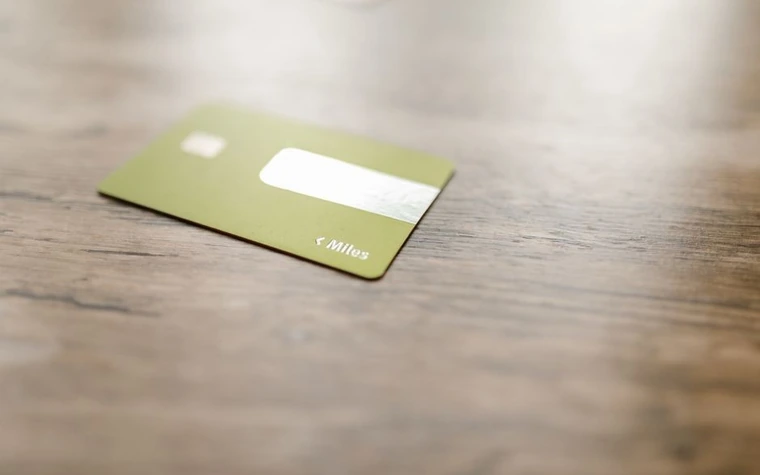
What a Player Card Actually Does
The card is a key to an account. When you sign up, the casino links your name, ID details and contact information to a number. Each time you play, the system attaches your activity to that number, so the casino can see how long you sat, how much you wagered and how you were doing. Joining is free and usually voluntary, but many promotions are only offered to cardholders.
How Play Is Tracked on Slots and Tables
On RTP, volatility">slot machines the process is automatic. The card reader sends each spin, bet size and session time to the casino system. Table games are tracked by people instead: a floor supervisor watches your buy-in, your typical bet and your time at the table, then logs an estimate. Because those numbers are estimates, table play often earns less credit than the same money wagered on slots. Our tier credits explainer covers that difference.
What Data the Casino Collects
Expect to give your name, date of birth, address, phone number and email, and to show ID when you sign up. After that the casino builds a play history: games chosen, average bet, session length, visit dates, hotel stays and spending in restaurants or shops if you use the card there. Properties in the same group may share this data across their locations. Check the privacy policy on the sign-up form to see who else can receive it, since the details differ by operator and region.

What You Get in Return
Points are earned on play and can be exchanged for meals, hotel discounts, free play or cash-back, depending on the program. Higher tiers may add priority check-in or event invitations. Rewards are a small rebate on money you have already spent, not free value. See the comps guide for how offers are decided. Remember also that the casino uses your history to target offers, so a generous invitation is a marketing decision, not a reward for winning or losing.
Privacy and Security Risks
A casino account holds personal details and a record of your habits, which makes it worth protecting. Use a strong, unique password or PIN for any online account tied to the card, never share the card with friends, and report a lost card promptly so no one can use your points. Be careful with unsolicited emails or texts that claim to come from a casino and ask you to log in through a link. Open the official website yourself instead.
How to Limit What You Share
You can ask for a card but decline marketing messages, or choose not to use a card at all if you prefer to play anonymously. Be aware that large cash transactions, jackpot payouts and some other events may require ID under law whether or not you hold a card, as our guide to jackpot payouts and tax forms explains. Ask the club desk how to unsubscribe from promotions, view your account details or request that your data be deleted, and note that your rights depend on where you live.
Use the Card Without Letting It Drive Your Spending
Points are a poor reason to play longer. A card also shows a running total of your activity, and some programs let you see session summaries, which can be a useful reality check. Set your budget first, as the bankroll guide suggests, and treat any reward as a small bonus. If you ever find yourself chasing points, the self-exclusion guide describes the tools available.

General information only; loyalty program terms and privacy rules vary by operator and location, so read the current policy before you sign up. Casino gambling is for adults only: 21+ in the United States and 18+ in the United Kingdom, where applicable. Gambling is entertainment with a built-in cost, not a way to make money. See our responsible gambling page if it stops feeling like fun.
All content is fact-checked under our editorial standards.