
Visiting a Casino Alone: Safety, Getting Home, Budget Limits and Keeping Your Belongings Secure
Visiting a casino alone is more common than people expect, whether it is a business trip with a free evening or a weekend away. It can be relaxed and enjoyable, but without a travel partner nobody notices if you overspend, lose track of time or end up somewhere unfamiliar late at night. This guide covers practical planning for a solo casino visit: choosing a venue, getting there and back, keeping your belongings safe and staying within a budget you set in advance.

Why Solo Visits Need a Plan
With friends, someone usually says it is time to leave. Alone, that job is yours. Casinos are designed to be comfortable and to make time easy to lose: few clocks, no windows in many gaming areas and plenty of distractions. A short written plan made before you arrive replaces the reminder a companion would give you. Decide your arrival time, your stop time, your spending limit and how you will get back to your hotel, then treat those decisions as fixed.
Choosing a Venue You Can Navigate
For a first solo trip, pick a casino that is part of a hotel resort or in a busy, well-lit area, and look at the layout online before you go. Check the minimum age, the dress code and whether the gaming floor is open to non-guests. Smaller poker rooms and quieter table games can be easier to join than a crowded floor, and many venues run beginner tables at off-peak hours. Our guide to the best time to visit a casino explains how crowds change through the week.
Getting There and Back
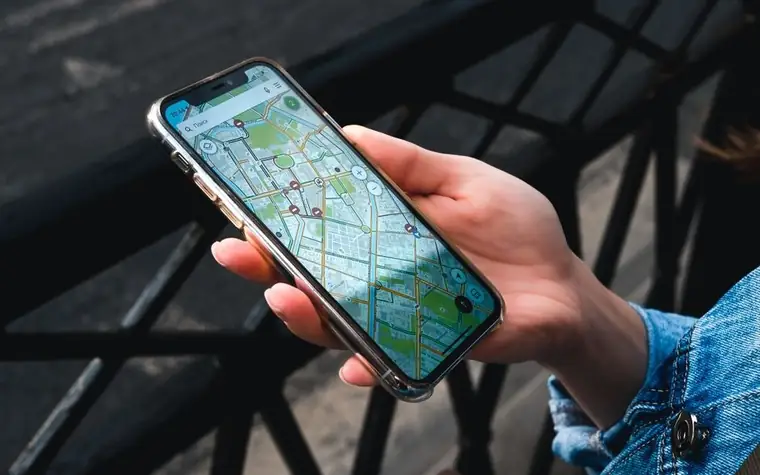
Plan the trip home before the trip out. Licensed taxis and official ride services are generally safer than accepting a lift from a stranger, and many resorts have a taxi rank or shuttle at the entrance. Save the venue address and your hotel address in your phone, and keep the phone charged; a small portable battery is worth carrying. If you drink, do not drive, and remember that free drinks on the floor do not change that rule. Staying at the same property as the casino removes the problem entirely.
Keeping Cash, Cards and Belongings Safe
Bring only the cash you have budgeted for the session and leave the rest locked in the hotel room. Carry one payment card rather than your whole wallet, and keep your ID in a place you can reach easily, since you may be asked to show it on entry or at the cage. Keep bags on your lap or under your chair, never on an empty seat or hanging behind you, and do not leave chips or a drink unattended when you step away. When you cash out, put the money away before you leave the cage area and walk back through well-lit, busy routes.
Setting Limits When Nobody Is Watching
A solo player has no outside check, so build one in. Set a total amount you can afford to lose, split it into smaller session amounts and put only one session amount in your pocket at a time. Set an alarm for your stop time. Decide beforehand that you will not use an ATM or cash advance to continue after the budget is gone; our bankroll basics guide shows how to set these numbers. Winning is never guaranteed, and the house edge applies to every game whether you play alone or with company.
Meeting People Without Over-Sharing
Poker rooms and some table games are social, and friendly conversation is part of the appeal. Be polite and keep personal details such as your hotel name, room number and travel dates to yourself. Be cautious with strangers who offer tips, loans or a side bet, or who suggest moving to a quieter place. If anything feels wrong, speak to a floor supervisor or security officer; staff are present on the floor for exactly this reason. Our guide to table etiquette helps you join a game with confidence.
Knowing When to Walk Away
Leave when your time is up, when your session budget is spent or when you notice you are playing to chase losses, whichever comes first. Eat something, go for a walk or call it a night. A solo trip is a success if you enjoy the experience and go home with your plans intact, not only if you finish ahead. If gambling stops feeling like entertainment, take a break and read our responsible gambling page for support options and contact details.
General information only, not gambling advice; rules, transport and safety conditions vary by venue and location, so confirm details before you travel. Casino gambling is for adults where it is legal: 21+ in the United States and 18+ in the United Kingdom. Play only at licensed venues, and never wager more than you can afford to lose. See our responsible gambling page if it stops feeling like fun.
All content is fact-checked under our editorial standards.