
Ultimate Texas Hold'em Rules: Why the Bet Size Shrinks the Longer You Wait
Ultimate Texas Hold'em looks like the poker most players already know, but it isn't poker in the room-rental sense — there's no other players to read, no bluffing anyone out of a pot, and no rake taken from a shared prize. It's a house-banked table game where every hand is a fixed math problem against a paytable, and the only decision that matters is when to put more money in.
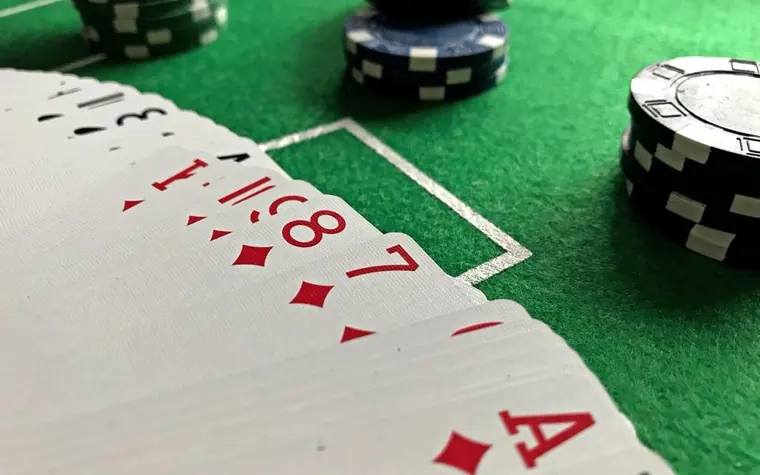
A House-Banked Game, Not a Poker Room
In a poker room, players compete against each other and the house only collects a rake. In Ultimate Texas Hold'em, every player competes directly against the dealer's hand, and the casino sets the odds on every bet in the layout. The two-card starting hands and five shared community cards look identical to a home game, but the payout structure and the mandatory betting sequence are entirely different.
The Ante and Blind Bets Start Every Hand
Every hand requires two equal, mandatory wagers: the Ante and the Blind. Both sit on the table before any cards are dealt, and neither can be adjusted once the hand starts. An optional Trips side bet, paid on the player's best five-card hand regardless of what the dealer holds, can be added at the same time.
The Pre-Flop Decision Sets the Tone
After the two-card hole cards are dealt, the first choice arrives: bet 3x or 4x the Ante, or check and wait. Betting big here locks in the largest possible wager relative to the Ante, which matters because the total amount a player can put at risk shrinks at every later stage of the hand.
The Flop and the Shrinking Bet
If a player checks pre-flop, three community cards are dealt and a second choice appears: bet 2x the Ante or check again. Checking twice pushes the decision to the river, where the only options left are a 1x bet or a fold. The bet size is designed to keep shrinking, which rewards players who commit early with strong two-card hands instead of waiting to see more of the board.
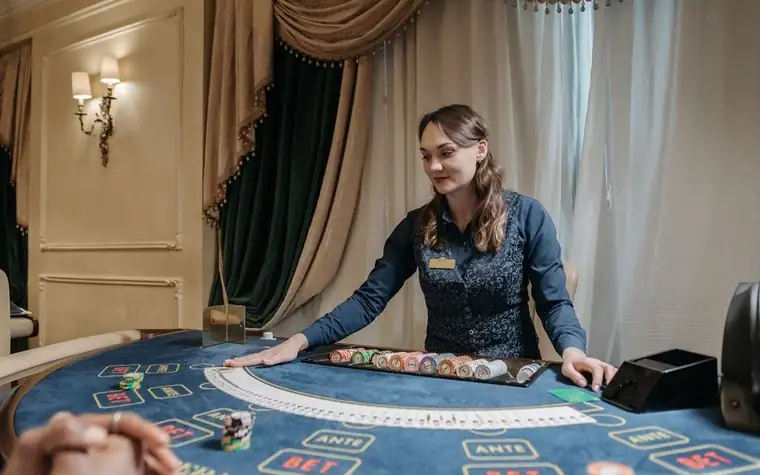
Folding Costs More Than It Looks Like
A fold at the river forfeits the Ante, the Blind, and any Trips bet already on the table — everything except a bet that was never placed. That's why the pre-flop and flop decisions carry so much weight: checking through to the river with a weak hand usually means folding away money that a 1x bet at the river would have needed less of to begin with.
How the Dealer's Hand Gets Compared
Once all bets are settled, the dealer turns over two hole cards and needs at least a pair to "qualify." If the dealer doesn't qualify, the Ante is returned and the Play bet pays even money regardless of what the player holds, while the Blind is settled by its own paytable. If the dealer qualifies, every wager compares directly against the dealer's best five-card hand, and ties push instead of paying either side.
The Blind Bet's Catch
The Blind bet is the part most new players misread. It only pays even money if the player's final hand is a straight or better; win with anything weaker and the Blind simply pushes back instead of paying out. Paytables for the Blind and the optional Trips bet vary by casino, so it's worth checking the felt or asking a dealer before sitting down at an unfamiliar table.

Strategy That Actually Moves the Edge
Correct play brings the house edge down to roughly 2% on the Ante and Blind combined, and the core of that strategy is simple: bet the full 4x pre-flop with any pocket pair or two cards Ten-or-higher, since that's where the largest allowed wager does the most work. With weaker starting hands, checking to see the flop before committing keeps a player from overpaying for a hand that the board hasn't helped yet.
Betting the full 4x with strong hole cards lowers the house edge mathematically — it doesn't guarantee any single hand wins, and no betting pattern beats the built-in dealer qualification math over time. Must be 21+ to gamble in the US (18+ in the UK). See our responsible gambling page if it stops being fun.
For how the two-card starting hands rank on their own, see our Texas Hold'em rules guide, or compare this game's edge against other table games in our house edge breakdown.
All content is fact-checked under our editorial standards.