
Casino Hold'em Rules Explained: Ante, Flop Decision, 2x Raise, Dealer Qualifier and House Edge
Casino Hold'em borrows the cards of Texas Hold'em and turns it into a table game played against the house. There are no other players to outplay and no bluffing, only one decision after the flop. That makes it easy to learn, but a few rules decide how much each hand costs you. This guide walks through the sequence of play, the payouts and the house edge.
How Casino Hold'em Differs from Poker
In poker room Hold'em you compete with other players for a pot, and position, bluffing and reading opponents matter. In Casino Hold'em you play only against the dealer's hand, and the casino pays or collects according to a fixed paytable. Nobody folds out, nobody bluffs and the dealer follows set rules. For the poker version, see our Texas Hold'em rules and hand rankings guide.
The Ante and the Deal
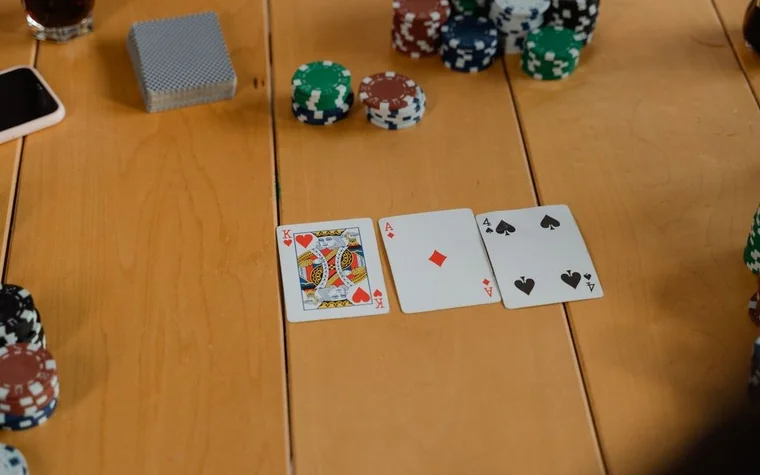
Every hand starts with an ante bet. You and the dealer each receive two hole cards, and yours are visible only to you. Three community cards, the flop, are then dealt face up in the middle of the table. At this point you have seen five of the seven cards you will finally use, and only the dealer's two hole cards are unknown.
The Flop Decision: Fold or Raise
After seeing the flop you make the one real choice in the game. You can fold and lose your ante, or you can place a play bet, which is usually required to be exactly twice the ante. If you raise, the dealer adds the turn and river cards, and both sides make the best five-card poker hand from their seven cards. The play bet is why a hand can cost three times the ante when things go wrong, so size your ante with that in mind.
The Dealer Qualifier
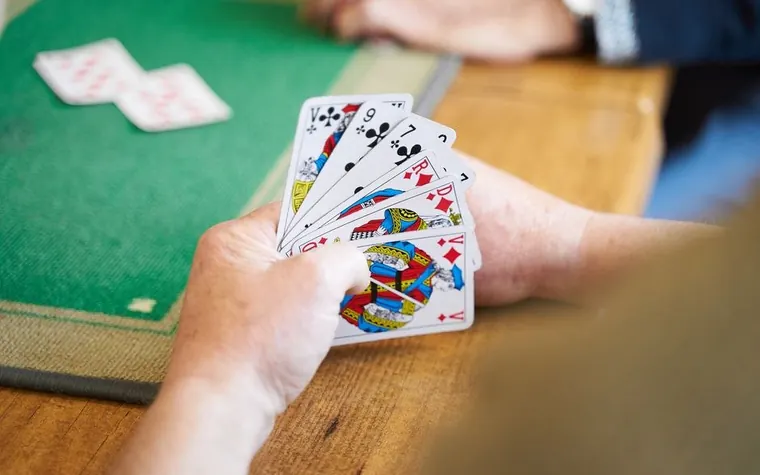
The dealer needs a minimum hand to qualify, commonly a pair of fours or better, though the exact line can differ by casino. If the dealer does not qualify, your ante wins and the play bet is a push, whatever your hand is. If the dealer qualifies, the better five-card hand wins. A tie is a push on both bets. The qualifier is one reason you should not treat the game as a simple showdown, because some of your winning hands will pay less than they appear to.
Payouts and the Ante Bonus
When you beat a qualifying dealer, the play bet pays even money. The ante also pays even money, with a bonus on strong hands in many versions: a straight is usually paid at even money, and larger multiples apply for a flush, a full house, four of a kind, a straight flush and a royal flush. Bonus tables vary between casinos, and the paytable on the felt tells you what that table pays. Some tables also offer an optional side bet on your hole cards and the flop. These side bets generally carry a higher house edge than the main game, so check the posted odds before you add one.
House Edge and Basic Strategy
With a standard paytable and correct play, the house edge on the main game is typically quoted at around 2 percent of the ante, which is lower than most side bets and many slot machines. The basic strategy is simple: raise with most hands that hold a pair or better, and fold only the weakest hands that have no pair and little potential. Published strategy charts differ slightly depending on the rules, so look up one that matches your table. Strategy cannot guarantee a win; it only keeps the cost as low as the game allows. Compare it with other games in our house edge guide and our Ultimate Texas Hold'em explainer.
Practical Tips Before You Sit Down
Check the dealer qualifier, the ante bonus table and the maximum raise before you play. Use the minimum bet while you learn, and remember that a raise commits three times your ante. Set a time and spending limit before the first hand and stick to it. For more game guides, browse the casino section.
General information only; rules, payouts and table limits vary by casino and jurisdiction, so check current terms. Casino gambling is for adults only: 21+ in the United States and 18+ in the United Kingdom, where applicable. Gambling is entertainment with a built-in cost, not a way to make money. See our responsible gambling page if it stops feeling like fun.
All content is fact-checked under our editorial standards.