
Casino Surveillance: How the 'Eye in the Sky' Actually Works
Every casino floor sits under a dome of dark glass. Guests rarely think about it, but the surveillance room watches dealers as closely as players.
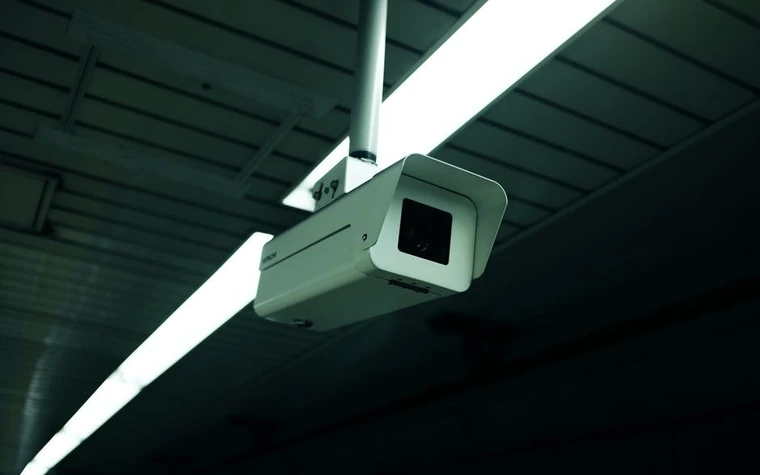
The "Eye in the Sky" Isn't a Myth
The nickname comes from where the cameras sit: in the ceiling, over every table, cage, and cashier window. Large properties run hundreds of cameras feeding a control room that never closes.
What Surveillance Actually Watches For
Card counting draws headlines, but most of the job is simpler: dealer errors, chip fills that don't match paperwork, and past-posting — moving a bet after the outcome is known. Employee error, not customer cheating, is the bigger daily workload.
Why the Cameras Point at Dealers Too
Every table has an angle on the dealer's hands, not just the cards. A pit boss watching live can miss a short payout on a busy game; a camera reviewed at quarter speed usually doesn't.

Chip Tracking Beyond the Naked Eye
Many properties embed RFID tags in higher chips, checking the table count against what the cage issued. It doesn't replace the camera — it flags a mismatch fast enough to pull footage before the shift ends.
Facial Recognition Is Narrower Than Assumed
Some jurisdictions allow it against a casino's own exclusion and card-counter watch lists, not a general database. Rules vary by state and country, and several US states restrict or ban it — worth asking a property directly if it matters to you.
Footage Doesn't Disappear Right Away
Recordings are typically kept from several weeks to a few months — long enough to cover a disputed jackpot or a regulator's request. Gaming commissions can subpoena tapes during formal complaints.
It Reports Outside Casino Management
In regulated markets, surveillance reports up its own chain, separate from floor management, so a pit boss can't quietly wave off what the cameras caught. Our ID checks guide covers the door; this layer runs the whole time you're inside.

None of this is meant to make the floor feel tense — it's closer to a bank's back office than a stakeout. The cameras exist so both sides of the table can trust the count. For what happens once the cage signs off on a big win, see our jackpot payouts guide.
General information only, not a guarantee of any casino's specific security practices. 21+ in the United States, 18+ in the United Kingdom. If gambling feels like more than entertainment, visit our responsible gambling page.
All content is fact-checked under our editorial standards.