
Casino Chip Security: How Chips Are Protected From Counterfeiting, and Why They're Worthless Anywhere Else
Walk out of a casino with a rack of chips in your pocket and you're carrying colored clay, not money. Chips only convert to cash inside the property that issued them, and every layer of security built into a modern set exists to make sure nobody outside that building can fake the conversion.
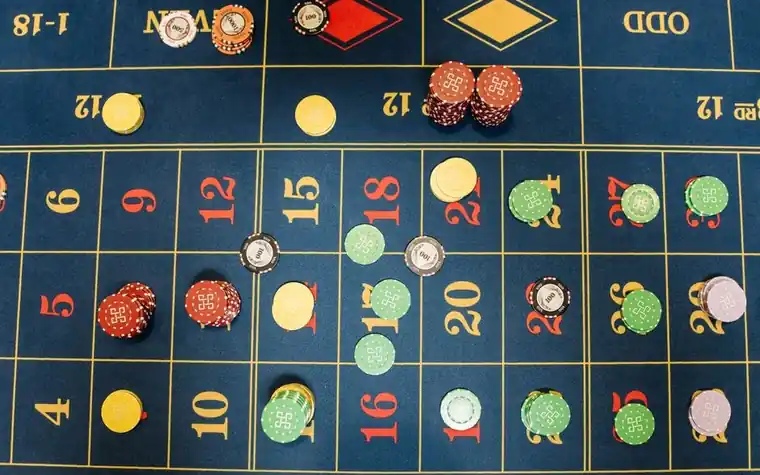
Why a Chip Is Worthless the Moment You Leave
A chip isn't currency; it's a bearer receipt the cage agrees to redeem, and only that cage. A rival casino down the street has no obligation to honor a competitor's chip, and most won't even try since they can't verify it against their own mold records. That's also why casinos post signs asking players to cash out before leaving the property — a chip forgotten in a jacket pocket for a year is a debt on the casino's books, not spendable money anywhere else.
The Physical Security Built Into Every Chip
Modern chips are compression-molded from proprietary blends the manufacturer won't sell to anyone else, in colors and edge-spot patterns unique to that casino. Many carry UV-reactive ink visible only under a blacklight, micro-printed text too fine for a desktop printer to reproduce, and a serial-numbered inlay embedded in the center. None of it is decorative — each layer exists to make a convincing fake too expensive to bother attempting.
RFID Chips: What Casinos Can Actually Track
Higher-denomination chips increasingly carry an embedded RFID tag readable by sensors built into the table felt and the cage counting equipment. That lets a casino flag a chip that shouldn't exist — one cloned or smuggled in from off-property — the instant it touches a reader, and reconcile a table's chip tray against inventory without counting every stack by hand. It isn't tracking individual players the way loyalty cards do; it's inventory control that happens to also catch fakes.

How Counterfeit Schemes Actually Get Caught
Passing a fake chip at a crowded table is harder than it sounds. Dealers are trained to feel weight and edge texture without looking, pit bosses spot-check trays against known patterns, and the surveillance room covered in our ID checks guide keeps recorded footage of every hand for exactly this reason. Most counterfeit cases that make headlines involve chips printed from a stolen mold or a cash-out scheme run by an inside employee, not a stranger sneaking homemade clay past a dealer.
Why Casinos Periodically Retire and Redesign Chips
Even with all that security, a casino will sometimes swap its entire chip set for a new design with no warning beyond a posted deadline, honoring the old chips only up to a cutoff date. It's a reset button: any counterfeits quietly circulating instantly become worthless, and any chips walked off property years earlier get flushed out or written off for good.
Large Cashouts and Why the Cage Wants ID
Redeeming a large stack isn't just a courtesy check. Cages report sizeable cash transactions to meet anti-money-laundering rules, and matching a cashout to a photo ID is how the paper trail holds up. It's the same reporting logic behind the W-2G forms triggered on a jackpot win — the cage isn't singling anyone out, it's following a threshold set well above the property.

None of this is a reason to distrust the chips in front of you at a licensed casino — it's the reason those chips can be trusted at all. Our markers guide covers the other side of the cage's paperwork, for players who skip chips altogether and play on credit.
General information only; security practices, RFID adoption, and reporting thresholds vary by casino and jurisdiction and change over time, so treat specifics as illustrative rather than official policy. 21+ in the United States, 18+ in the United Kingdom. If gambling feels like more than entertainment, visit our responsible gambling page.
All content is fact-checked under our editorial standards.