
Pai Gow Poker Rules and Strategy: How to Set Your Hand the Right Way
Pai Gow Poker looks slower and stranger than every other table game on the floor, and that reputation is earned — it borrows its name and its tile-splitting logic from an old Chinese domino game, then bolts it onto a standard 52-card deck plus one joker. The pace is unhurried, the house edge is genuinely low when hands are set correctly, and a large share of rounds end in a push rather than a clean win or loss. That combination makes it one of the more forgiving games in the pit, provided a player understands how the two hands actually work.
How the Cards Are Dealt
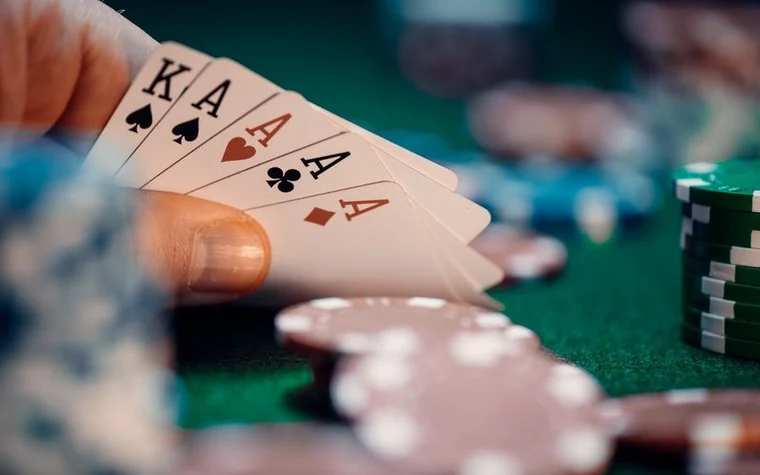
Each player and the dealer receive seven cards from a 52-card deck plus a single joker, dealt in fixed groups of seven regardless of how many seats are active. From those seven cards, the player must build two hands: a five-card hand and a two-card hand. The five-card hand must rank higher than the two-card hand under standard poker rankings, or the entire wager is forfeited automatically as a foul.
Setting the High Hand and Low Hand
Splitting seven cards into a valid five-card and two-card combination is the entire skill of the game. The two-card hand can only ever be a pair or a high card, so the common approach is pulling the strongest pair for the two-card hand while keeping a full house or two pair intact in the five-card hand when possible. Getting this split wrong doesn't just cost value — it can cost the entire hand if the five-card side ends up weaker than the two-card side.
The Joker's Limited Role
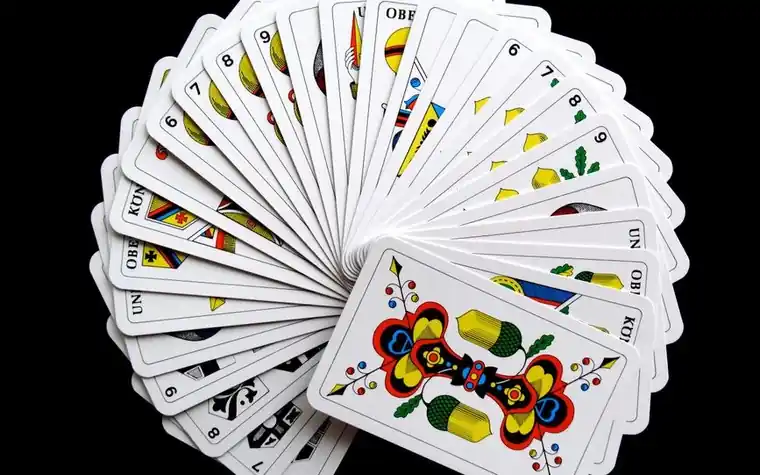
The single joker is only a partial wild card, unlike the wild deuces used in some other table games. It completes straights and flushes freely, but everywhere else it counts strictly as an ace. That makes it most valuable sitting in the five-card hand as a straight or flush filler, and far less useful in the two-card hand, where it just plays as an ace-high.
The House Way: A Built-In Fallback
Every Pai Gow Poker table posts a "house way" — a fixed rulebook the dealer follows to set their own hand without any judgment calls. Most casinos let players ask the dealer to set their hand by the house way too, which removes the decision entirely. It won't outplay a sharp player who studies strategy charts, but it is a mathematically reasonable default for anyone unsure how to split a given seven cards.
Playing the Banker
Pai Gow Poker carries an unusual option: any player at the table can rotate into the banker position instead of the house, covering the other players' bets directly out of their own stack. Banking shifts the house edge meaningfully because the banker wins every tied hand against non-bankers, but it also means putting up enough chips to cover the whole table's action, and most rooms cap how often a given seat can take the position.
Why So Many Hands Push
Ties are settled card by card, and because both the five-card and two-card hands are compared separately, an exact tie on both hands is a genuine push — no commission, no swing either way. In practice a large fraction of Pai Gow Poker rounds land as a full or partial push, which slows the pace of money changing hands compared to blackjack or baccarat and is a large part of why sessions here tend to stretch out.
Basic Strategy Tips
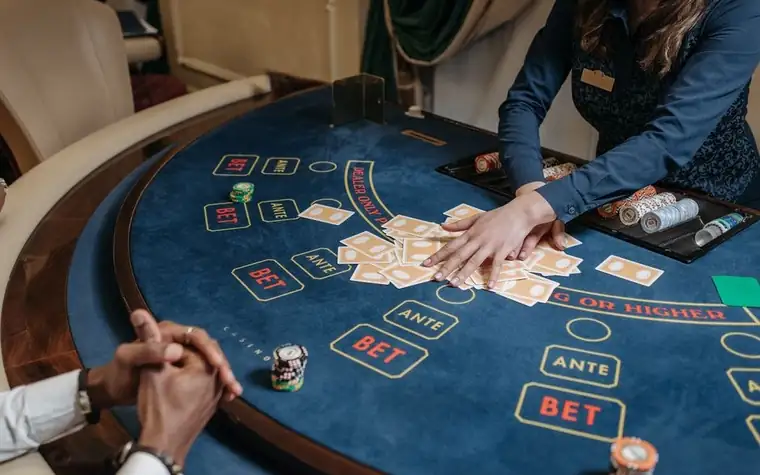
Favor keeping the five-card hand's raw strength intact, and only break a strong holding when the two-card side would otherwise be left with nothing — a low pair usually belongs in front rather than buried behind a marginal five-card hand. Learning the handful of common two-pair and full-house splits covers most decisions at the table, and asking the dealer for the house way on any hand that looks uncertain is a perfectly sound fallback rather than a beginner's crutch.
Setting hands by the house way or by strategy lowers variance on a wager you've already made — it does not create a player edge or guarantee any outcome. Must be 21+ to gamble in the US (18+ in the UK). See our responsible gambling page if it stops being fun.
Want to compare the math against other table games? See our house edge breakdown, or start with the basics in our first casino visit guide.
All content is fact-checked under our editorial standards.