
Blackjack Side Bets Explained: Perfect Pairs, 21+3, Insurance and Their House Edge
Walk up to almost any blackjack table and you will see small extra betting spots beside the main box: Perfect Pairs, 21+3, Insurance and a rotating cast of branded side bets. They are fast, they pay big on small stakes, and they are priced very differently from the base game. This guide explains how the common blackjack side bets work, what they usually pay, and why their house edge is so much higher than the edge on ordinary blackjack played with basic strategy.
What a Side Bet Actually Is
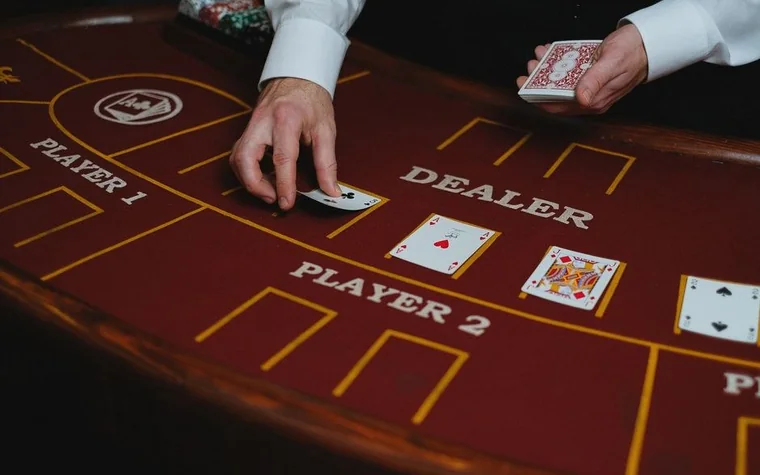
A side bet is a separate wager placed before the cards are dealt. It is settled on its own, usually from your first two cards or your two cards plus the dealer's upcard, and it has nothing to do with whether you win the main hand. You can win the side bet and lose the hand, or the reverse. Because the payout table is fixed by the casino and differs from table to table, two blackjack games that look identical can carry very different side bet edges. Always read the paytable printed on the felt.
Insurance: The Oldest Side Bet
Insurance is offered when the dealer shows an ace. You may wager up to half your original bet that the dealer has a ten-value card underneath, and it pays 2 to 1. Roughly 4 cards in 13 are tens, so the true chance is a little under one in three, while the 2 to 1 payout is fair only at exactly one in three. That gap gives the casino an edge of about 7 percent in a multi-deck game. Basic strategy says to decline it every time. The same goes for "even money" offers on a natural blackjack, which are insurance in disguise. Our blackjack basic strategy guide covers when to hit, stand and double instead.
Perfect Pairs
Perfect Pairs pays if your first two cards form a pair. Typical paytables pay 6 to 1 for a mixed pair (different colors), 12 to 1 for a colored pair (same color, different suits) and 25 to 1 for a perfect pair (identical rank and suit). The odds against any pair rise with the number of decks, and the house edge depends on both the deck count and the exact payouts. Commonly quoted figures run from roughly 2 to 6 percent for the better versions, but weaker paytables exist, so treat any number as approximate and check the layout in front of you.
21+3: Poker Hands From Three Cards
21+3 combines your two cards with the dealer's upcard and pays if the three cards form a poker hand. Common payouts are 5 to 1 for a flush, 10 to 1 for a straight, 30 to 1 for three of a kind, 40 to 1 for a straight flush and 100 to 1 for suited three of a kind. With the standard paytable the edge is often cited at about 3 percent in games with several decks, and it climbs when a casino trims the top payouts. It looks generous because a hit pays well, but hits are infrequent: most rounds you simply lose the side stake.
Progressive and Branded Side Bets
Some tables add progressive jackpots or branded bets such as Lucky Ladies, Royal Match or Bust It. These usually have a higher edge, and progressive side bets often carry the highest of all because a slice of every stake feeds the jackpot. The headline prize is large, yet the chance of landing it is tiny. Edges can vary widely between versions, and some are well above 10 percent, so compare them with the roughly half-percent edge on the main game under good rules. Our overview of house edge by game puts those numbers side by side.
Why Side Bets Do Not Help You
Side bets are independent of your hand, so they cannot offset the main bet, and no pattern in the previous hands changes their odds in a shuffled shoe. Card counting aimed at the main game does not turn them into good wagers either, and the reasons are explained in why card counting rarely works today. In effect a side bet is a second game with its own, worse math, played at the same table at the same speed. Every added bet raises your expected loss per hour.
How to Play Sensibly
If you enjoy them, treat side bets as entertainment: set a small fixed amount, keep it separate from your main bet and decide in advance when to stop. A sensible approach for most players is to skip them and focus on a table with favorable base rules, such as 3 to 2 blackjack payouts, a dealer who stands on soft 17 and a reasonable deck count. No betting system can overcome a negative expectation, and nothing here guarantees a result. Rules and paytables vary by casino, so confirm the details at the table before you play.
For more game explainers, browse all of our casino game guides.
General information only; paytables, rules and house edges vary by casino and jurisdiction, so check current terms. Casino gambling is for adults only: 21+ in the United States and 18+ in the United Kingdom, where applicable. Gambling is entertainment with a built-in cost, not a way to make money. See our responsible gambling page if it stops feeling like fun.
All content is fact-checked under our editorial standards.