
Rozvadov: How One Border Crossing Became Europe's Biggest Poker Destination
Most European casino trips point toward a capital: Monte Carlo, London, Baden-Baden. But one of the busiest casino corridors on the continent isn't in a capital at all — it's on a two-lane stretch of forest road at the Czech-German border, at a crossing most people have never heard of unless they've driven it. Rozvadov, a village of a few hundred residents, has become a genuine poker destination purely because of where it sits on the map.
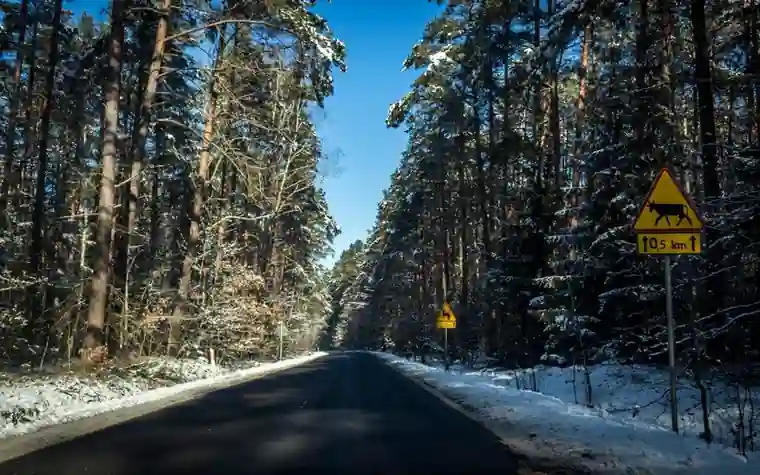
Why casino towns cluster at borders, not capitals
Border casino clusters exist for one practical reason: gambling law is set nationally, but demand doesn't stop at a line on a map. When one country restricts, taxes, or heavily regulates casino gambling and its neighbor doesn't, operators build as close to the border as zoning allows and let geography do the marketing. Germany's casino industry has historically run through state-licensed Spielbanken with strict smoking rules, formal dress expectations at the classic houses, and comparatively high effective tax rates on gross gaming revenue. The Czech Republic, since the 1990s, took a lighter regulatory approach to commercial casinos, and international operators noticed a market opportunity almost immediately on the German side of the frontier.
Rozvadov: a single crossing on the Prague-Nuremberg motorway
Rozvadov sits directly on the D5/A6 motorway corridor linking Prague to Nuremberg, right where Czech pavement becomes German pavement near the Bavarian town of Waidhaus. It's not a resort town in any conventional sense — there's no old town square, no lakefront, no ski lift. What it has is motorway access, cheap land near the frontier, and a customer base an hour or two from Nuremberg, Regensburg, and even Munich on a good traffic day. That combination turned a rural crossing into one of the highest-density casino stretches in Central Europe, with multiple properties operating within a few kilometers of each other.
King's Casino Rozvadov: the megaresort that runs on poker
The anchor property is King's Casino Rozvadov, which opened in 2017 and has since built a reputation less on slots or table games and more on live poker specifically. It hosts recurring international festival series, including events tied to the World Series of Poker Europe brand in past years, and regularly runs simultaneous tournament fields large enough to require dozens of tables running at once. For a poker-focused traveler, the appeal isn't the border location itself — it's that the border location is what made a resort of this scale financially viable in a town this small in the first place.
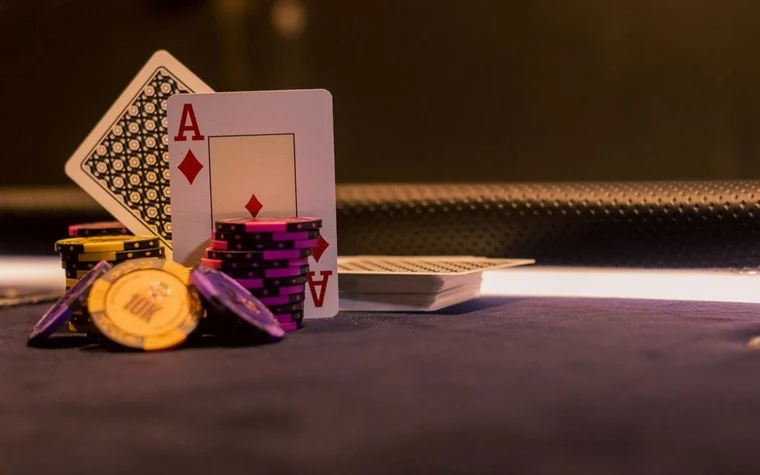
Casino Admiral and the wider pattern of Czech border clusters
Rozvadov isn't the only example, just the largest. Casino Admiral operates its own chain of properties spread across several Czech-German and Czech-Austrian crossings, generally smaller than King's Casino but built on the exact same logic — put a licensed casino a short drive from a border where the neighboring country's rules are tighter, and let cross-border traffic supply the customer base. Similar clusters exist near other German and Austrian crossings, though none has grown to Rozvadov's scale. Readers coming from our piece on Kangwon Land's foreigner-only casino system will recognize the shape of the argument: a legal boundary reshapes where a casino industry physically ends up, more than any single business decision does.
What the drive over actually looks like
There's no dramatic checkpoint to cross here — the Czech Republic and Germany are both in the Schengen Area, so the border itself is an open motorway lane with a sign, not a gate. Visitors typically drive from Nuremberg (around 90 minutes) or fly into Prague and drive the remaining distance west. Parking is built for exactly this kind of car-based, single-day or overnight visitor, and the property runs its own hotel rooms for people staying through a multi-day tournament schedule rather than day-tripping back to Germany each night.
Germany's own casinos, and why locals still cross anyway
Germany does have its own long, well-documented casino history — Baden-Baden's Kurhaus casino is one of the oldest and most architecturally notable in Europe, and state Spielbanken operate legally across the country. The border clusters don't exist because Germany has no casinos; they exist because a meaningful share of German players prefer a Czech property's later hours, more relaxed dress norms, or table conditions on a given game, and a short drive is a small price for that preference. It's less a story of scarcity and more one of German players voting with a short drive.
Who this trip actually suits
Rozvadov works best for two kinds of travelers: poker players building a trip around a specific festival schedule, and road-trippers already moving between Prague and Bavaria who want a stopover with a genuinely different feel from either city. It works less well as a standalone flight destination — there's no airport nearby, and outside of a tournament series the town itself offers little beyond the casino floor. First-time visitors unfamiliar with basic casino floor etiquette should look over our first casino visit guide before sitting down, and anyone new to the game itself can start with our Texas Hold'em rules breakdown.
21+ in the United States, 18+ in the United Kingdom. Tournament schedules, border-crossing rules, and hotel details change; confirm current information with the property before you travel. If gambling stops being entertainment for you, see our responsible gambling page.
All content is fact-checked under our editorial standards.