
Sun City: How an Apartheid-Era Legal Loophole Built South Africa's Biggest Casino Resort
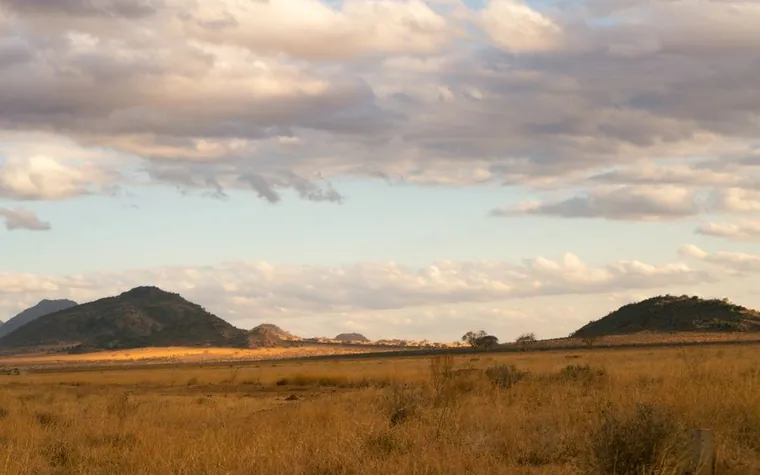
Sun City sits about two hours northwest of Johannesburg, in a valley ringed by an extinct volcanic crater in South Africa's North West Province. It's a single sprawling resort — four hotels, a casino floor, a water park, two golf courses, and a fake "lost civilization" complex — built in a stretch of bushveld that had no obvious reason to host any of it. The reason turns out to be a legal loophole, not a tourism plan.
What Sun City Actually Is
The Law That Made It Necessary
Apartheid-era South Africa banned casino gambling outright under the Gambling Act of 1965. Roulette wheels, RTP, volatility">slot machines, and card rooms were illegal anywhere the South African government held direct jurisdiction. That included every city, every province, every place a foreign visitor might actually want to stay. The ban held for decades, and it should have kept South Africa casino-free the way it kept most of the rest of the continent casino-free at the time.
Bophuthatswana: A Sovereignty Nobody Else Recognized
The apartheid government carved up South Africa into "homelands," territories assigned to Black South Africans and pushed toward nominal independence so Pretoria could claim they were no longer its citizens. Bophuthatswana became one of these in 1977, recognized as sovereign only by South Africa itself and by the other homelands — no UN member state accepted it. But that fiction had a side effect nobody in Pretoria seems to have planned for: South African gambling law stopped at the homeland's border. A hotel group could legally build a casino a few hours' drive from Johannesburg, in a jurisdiction that was, on paper, a different country.
Sol Kerzner's Bet on the Middle of Nowhere
Hotelier Sol Kerzner and his company, Sun International, took that opening and built Sun City starting in 1979, on land that had no city, no airport, and no highway worth the name. All three had to be built alongside the resort itself. What Sun City offered wasn't subtlety about the arrangement — South Africans nicknamed it "Sin City," and the drive from Johannesburg became a well-worn route for gambling that was illegal at home, cabaret shows that skirted apartheid censorship rules, and, unofficially, interracial socializing that was criminalized inside South Africa proper under the Immorality Act.
The Palace of the Lost City
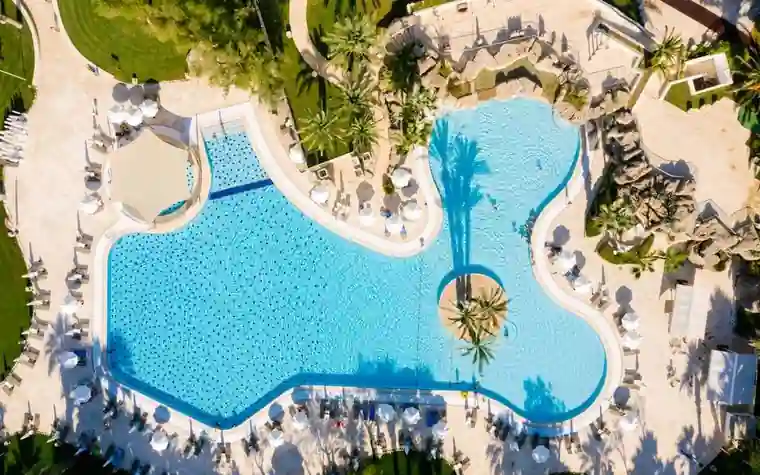
The resort's most recognizable piece came later. In 1992, Sun International opened the Palace of the Lost City next door — a fantasy hotel built around the premise of a fictional ancient African civilization swallowed by jungle and rediscovered by chance. It has a man-made rainforest, a "bridge of time" that shakes on the hour to simulate a fading earthquake, and the Valley of Waves, an artificial beach and wave pool complex that remains the resort's biggest draw for guests who never touch a gaming table.
What Changed When Apartheid Ended
The 1994 reincorporation of the homelands into South Africa removed the legal fiction that had made Sun City possible in the first place. Rather than shutting casinos down, the new government took the opposite route: the National Gambling Act of 1996 legalized and regulated casino gaming across the whole country, with provincial licensing boards issuing a capped number of licenses each. Sun City lost its status as the only legal option within reach of Johannesburg, but by then it had almost three decades of brand recognition and infrastructure that newer, urban casinos couldn't match.
Visiting Today
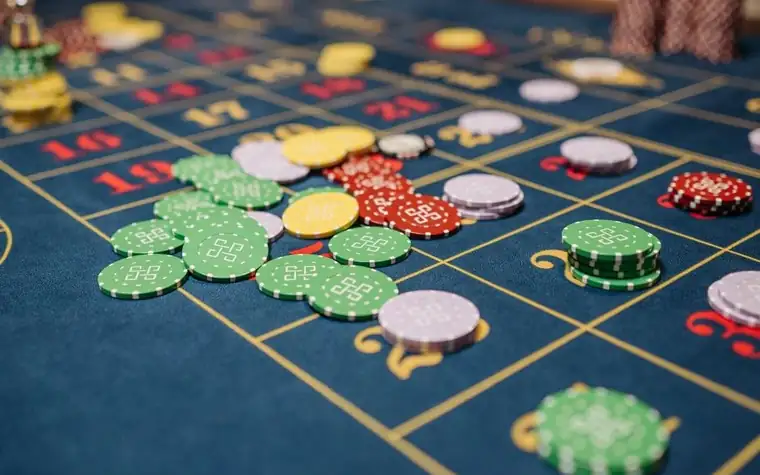
The casino floor at the Sun City complex still runs a full slate of table games and slot machines, spread across the Sun City Hotel and the Palace, with four hotel tiers ranging from the budget Cabanas to the five-star Palace itself. Most visitors combine a night or two of gaming with the water park and a side trip to Pilanesberg National Park next door, a malaria-free reserve with the Big Five that turns the whole visit into a safari-plus-casino package rather than a pure gambling trip. That combination, more than the tables themselves, is what keeps the resort relevant decades after the legal loophole that created it closed.
A Different Route to the Same Question
Sun City is one answer to a question that shows up across the industry in different forms: who gets to build a casino when the surrounding law says no. South Korea's Kangwon Land arrangement answers it with a single licensed exception for citizens instead of a jurisdictional gap. Compare enough of these cases — scattered across our destinations coverage — and the pattern holds: almost no legal casino industry anywhere started as an open, planned decision. Most started as somebody finding the edge of the map.
Sun City's story is about regulatory history, not a betting tip. Only wager at licensed, regulated casinos and only with money you can afford to lose. 21+ (US) / 18+ (UK). If gambling stops being fun, see our responsible gambling page.
All content is fact-checked under our editorial standards.