
Dragon Tiger Explained: Rules, Payouts, the Tie Bet and the House Edge
Dragon Tiger is one of the simplest table games in a casino: two cards are dealt, one to the Dragon and one to the Tiger, and the higher card wins. It is popular in Asian-style casinos and in Macau, and it is spreading to other resorts as a faster alternative to baccarat. The speed is the main thing to understand, because a game with no decisions can still burn through a bankroll quickly.

How a Round Works
The dealer burns a card, then deals a single card face up to the Dragon position and a single card to the Tiger position. Ace counts low and king counts high, and suits are normally irrelevant. You bet before the cards come out, and a round is over in a few seconds. There is nothing to decide after the bet, so no strategy changes the outcome of any single hand.
The Three Main Bets
You can back the Dragon, back the Tiger, or bet on a tie. Dragon and Tiger bets usually pay even money. The tie bet usually pays 8 to 1, though some tables pay 11 to 1 or add a smaller side bet for a suited tie. Layouts differ between casinos, so read the posted payouts before you sit down.
What Happens on a Tie
The tie rule is where the game takes its money. At many tables, a tie returns only half of a Dragon or Tiger wager and the dealer keeps the other half. Other tables simply take the whole bet. Which rule applies changes the cost of the game, so ask before you play rather than assuming.
House Edge by Bet
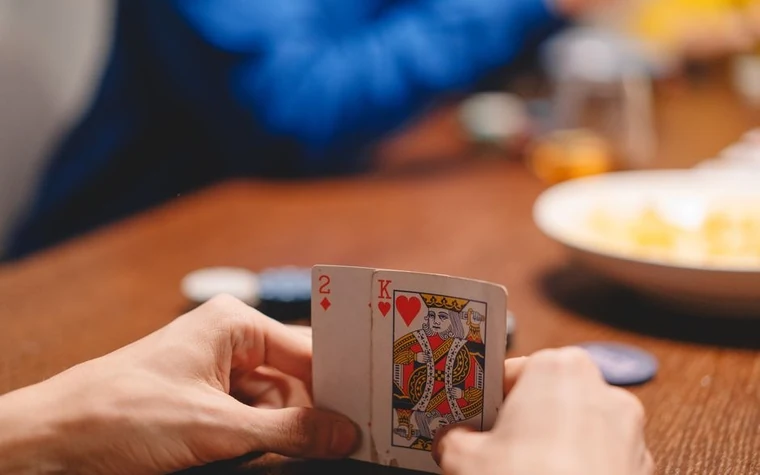
With an eight-deck shoe, the chance of a tie on any hand is roughly 7.5 percent. Under the half-back rule, that gives the Dragon and Tiger bets a house edge of about 3.7 percent. The tie bet at 8 to 1 costs closer to 33 percent, which is far worse than almost every other bet in the casino. Compare that with the figures in our house edge by game guide and you will see why the tie is the one to skip. Exact numbers depend on the number of decks and the payout, so treat these as approximations.
How It Compares With Baccarat
Dragon Tiger feels like a stripped-down baccarat. Baccarat has third-card rules and a lower edge on its main bets, around 1 percent on the banker. Dragon Tiger has no third cards and a higher edge, but each round is much faster. More hands per hour means more money passes through the table, so a higher edge compounds even more than the percentage suggests.
Practical Tips for Playing
Set a fixed session budget and a limit on the number of rounds before you start. Stick to Dragon or Tiger bets, since both carry the same edge, and treat the tie as an occasional side bet, if you play it at all. Ignore the scoreboards some tables display: past results do not change the next card. Beginners who want a slower learning game may prefer three card poker, where decisions matter.
For more game rules, browse all of our casino game guides.
General information only; payouts and tie rules vary by casino, so confirm them at the table. No betting approach can overcome the house edge. 21+ in the United States, 18+ in the United Kingdom. Gambling is entertainment with a built-in cost, not a way to make money. See our responsible gambling page if it stops feeling like fun.
All content is fact-checked under our editorial standards.