
Home › Sports Betting Analysis
Exacta, Trifecta and Superfecta Bets Explained: How Exotic Racing Wagers Pay and What Takeout Costs
Win, place, and show bets ask you to pick one runner. Exotic wagers ask for more: the exact finishing order of several runners in the same race. The payouts can be large because the odds are long, but so is the cost of being almost right. Before you play an exacta, trifecta, or superfecta, it helps to know how the combinations are counted and how the pool takes its cut.
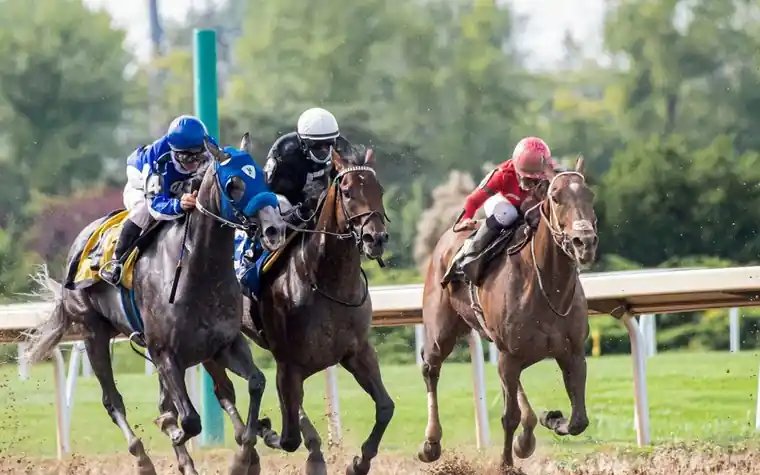
What the Main Exotic Bets Are
An exacta asks you to name the first two finishers in exact order. A trifecta extends that to the first three, and a superfecta to the first four. A quinella is the looser cousin of the exacta: you need the first two runners in either order, so it covers more outcomes and pays less. Names, minimum stakes, and available bet types vary by track and country, so read the bet descriptions on the licensed operator or racetrack you use before you stake money.
Why the Combinations Add Up So Fast
The difficulty rises quickly with field size. In a ten-horse race there are 90 possible exacta finishes, 720 possible trifecta finishes, and 5,040 possible superfecta finishes. Each extra position multiplies the possibilities by the number of runners still left. That is why exotic payouts can look huge, and also why a correct ticket is only a small slice of the outcomes. A trifecta that pays well usually does so because few tickets held the right order.
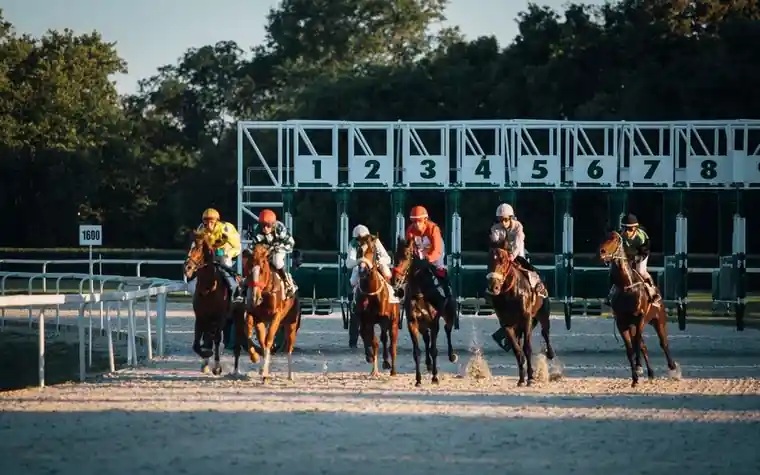
Straight Bets, Boxes, Keys, and Wheels
A straight bet names one finishing order and nothing else. A box covers every order of the horses you choose. A three-horse exacta box has 6 combinations, and at a $1 base stake it costs $6. A four-horse trifecta box has 24 combinations and costs $24, and a five-horse superfecta box has 120 combinations and costs $120. A key bet fixes one horse in a position and varies the rest, so a key exacta with one horse on top of three others is 3 combinations. A wheel pairs one horse with every other runner, which in a ten-horse field means 9 exacta combinations. Every extra combination multiplies the cost, so a wide ticket is not cheap insurance.
Takeout: The Cut Before Anyone Is Paid
Racing exotics are normally pari-mutuel, meaning all tickets go into one pool, the track or operator removes a percentage called the takeout, and the rest is divided among the winning tickets. If a pool holds $10,000 and the takeout is 20 percent, $8,000 is returned in total to the winners, regardless of how many tickets were sold. Takeout rates differ by jurisdiction and by bet type, and exotic pools often carry a higher rate than win pools, so check the published rate for the track you play. A higher takeout means a lower average return for every dollar wagered over time. Our guide to tote versus fixed-odds betting explains why pool prices behave differently from a bookmaker's fixed price.
How Exotic Payouts Are Set
You do not know the exact payout when you buy the ticket. The final dividend depends on the size of the pool and on how many winning tickets share it. A popular result, such as the favorite winning with the second favorite in second, can pay little because many people held it. An unlikely order with few tickets can pay a great deal. Rounding rules, usually called breakage, trim each payout down to the nearest unit, which is a small extra cost on top of takeout. Pool sizes also swing late, so a price you saw at the start of betting may look very different at the off.
Ties and Other Settlement Quirks
Photo finishes can create dead heats in exotic bets too, and the rules for splitting the payout depend on the operator. Our explainer on dead heat rules shows how a shared position cuts a return in standard markets, and the exotic version follows a similar idea with its own formulas. Scratches before the race also matter, since a withdrawn horse usually means the combinations that included it are refunded, though the exact treatment depends on the operator. Read the house rules and check the terms for place positions in each-way markets if you also play them.
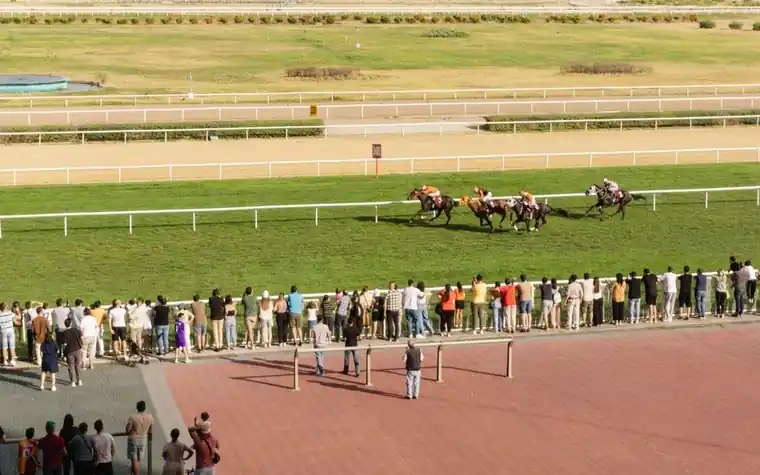
Practical Habits for Exotic Bettors
Decide your total budget for the race before you build the ticket, and stop adding combinations once you reach it. Keep base stakes small, because the cost of a box grows faster than most people expect. Compare takeout rates across the licensed venues available to you, and remember that a big potential payout does not mean good value. Treat each ticket as entertainment, not income, and do not chase a missed trifecta with a larger bet on the next race. No wagering pattern guarantees a profit.
For more on how racing and sports markets are built and settled, browse the rest of the betting analysis section.
Takeout rates, bet types, and availability vary by track, operator, and jurisdiction, so check the rules before you bet. Only wager with licensed, regulated operators in places where racing wagers are legal, and only with money you can afford to lose. No betting approach guarantees a profit. 21+ (US) / 18+ (UK). If gambling stops being fun, see our responsible gambling page.
All content is fact-checked under our editorial standards.