
Home › Sports Betting Analysis
Dead Heat Rules Explained: How Tied Results Cut Your Payout in Racing and Golf Betting
Most bets are settled as a clean win or loss, but some markets can end with two or more selections sharing the same result. When that happens the sportsbook applies a dead heat rule, which cuts the payout instead of paying in full or voiding the bet. It is a small clause in the house rules, yet it can turn what looks like a winning ticket into a payout well below what you expected.
What a Dead Heat Is
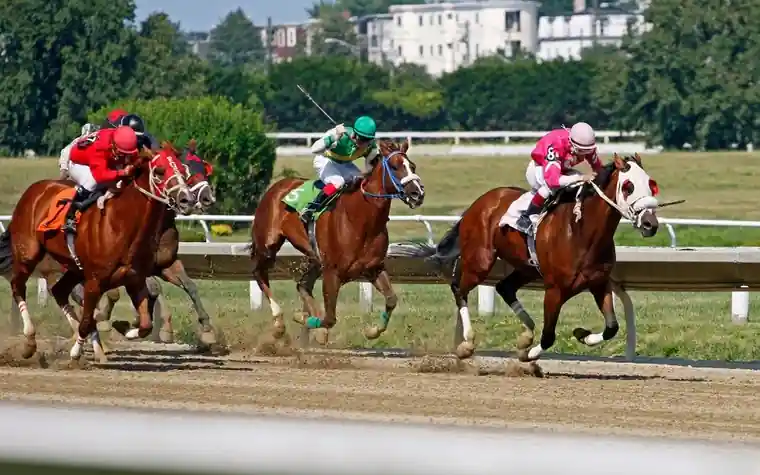
A dead heat means two or more runners, players, or teams finish level for a place that decides a market. The term comes from horse racing, where a photo finish cannot separate the horses, but the same idea applies in golf, tennis tie-breaks, and any market that ranks participants. The bet is not lost, because your selection did earn a winning position. It is also not paid in full, because the prize is shared. The dead heat rule is how the sportsbook divides that prize.
How the Stake Is Divided
The standard method splits your stake by the number of selections that tied for the position. If two horses dead heat for first and you backed one at 5.0 in decimal odds, half of your stake wins at full odds and the other half is lost. With a $10 stake, $5 returns $25 and $5 is forfeited, so the total return is $25 rather than the $50 you might have expected. A three-way tie divides the stake into thirds, and the return falls to a third of the normal payout.
Worked Example With a Short Price
The effect looks different on favorites. Say you take a runner at 1.80 with a $20 stake and it dead heats for the win with one other runner. Half of the stake, $10, is settled at 1.80 for a $18 return, and the other $10 is lost. You end the race with $18 back on a $20 stake, so a bet that finished in a winning position still loses $2. That is why a dead heat on a short price is one of the more frustrating outcomes in racing markets.

Dead Heats in Each-Way and Place Markets
The rule also affects place terms. If two horses tie for the last paying place, the place portion of an each-way bet is usually divided between them. Our explainer on each-way betting and place terms covers how the fractions are set, and the dead heat reduction is applied on top of them. In golf, a tie for the final place position matters in the same way, as described in our golf betting guide. Check the number of places and the tie rule before the event, not after.
How Rules Differ Between Operators and Sports
Not every market uses the same convention. Some operators pay the full stake on a tie in head-to-head golf matchups and treat it as a push, while others void the bet. Outright markets almost always use the stake-division method. Tennis and team sports rarely produce ties on the main lines, but props, such as most points scored or leading goalscorer, can tie often. The house rules page of each licensed operator spells out the treatment, so read it before you stake money on a market where ties are plausible.
Dead Heat or Push: Why the Difference Matters
A push returns the full stake because the result lands exactly on the line, as covered in our settlement rules guide. A dead heat is different, since part of the bet is lost. The difference is also visible in the odds. A market with a real risk of tied results should be priced to reflect it, and a bettor who ignores the tie clause may overrate the value of a selection in a crowded field. Our look at key numbers in spread betting shows a related idea, where certain outcomes happen more often than a simple model suggests.
Practical Habits Before You Bet
Read the tie rule for the specific market, not just the general terms. Check how many places an each-way bet pays and what happens if the last place is shared. Be cautious with large fields and low-scoring events, where ties are more likely. Compare the settlement terms across more than one licensed operator, because small wording differences change the payout. Keep stakes small and do not treat any selection as a sure thing.

For more on how betting markets are built and settled, browse the rest of the betting analysis section.
Settlement rules, prices, and availability vary by operator and jurisdiction, so check the house rules before you bet. Only wager with licensed, regulated operators in places where sports betting is legal, and only with money you can afford to lose. No betting approach guarantees a profit. 21+ (US) / 18+ (UK). If gambling stops being fun, see our responsible gambling page.
All content is fact-checked under our editorial standards.