
Home › Sports Betting Analysis
Tote Betting vs Fixed-Odds Bookmakers: How Australian Racing Markets Price Differently
Most betting explainers cover bookmaker pricing — a book sets a number, bakes in a margin, and takes the other side. Australian racing runs a second, structurally different model alongside it: the tote, a pari-mutuel pool where bettors are effectively betting against each other, not against the house. Knowing which model is pricing a bet changes how the number on screen should be read.
Two Different Ways to Price the Same Race
How a Tote Pool Actually Works
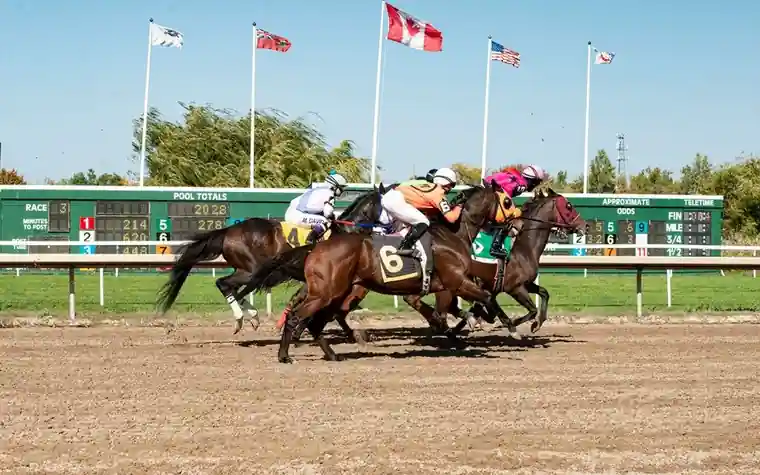
In a tote pool, every dollar staked on a race goes into one shared pot for that bet type — win, place, and so on. The operator deducts a takeout percentage to cover costs and margin, and the rest is split among winning tickets in proportion to how much each person staked. There is no fixed price agreed at the time of the bet; the final dividend is only known once the pool closes and the result is official.
Why Tote Odds Drift Until the Jump
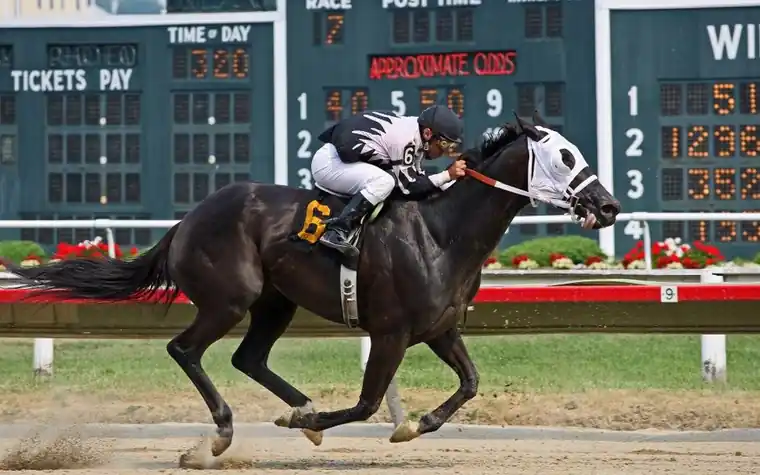
Because the dividend depends on the size and shape of the whole pool, a tote price shown before the race is only an estimate based on money already in. A horse can drift or firm on the tote screen purely because late money changes the split — no one is repricing the field the way a bookmaker moves a line. That is a different mechanism from the sharp-money-driven line movement seen in fixed-odds sports markets.
Fixed-Odds Bookmakers: A Different Pricing Model
A fixed-odds bookmaker instead quotes a specific price and guarantees it once the bet is placed, subject to normal terms. The bookmaker sets that price using its own model of the field, builds in a margin the way a sportsbook prices a spread or moneyline, and carries the risk itself rather than pooling stakes. That confirmed price does not change after the bet is struck, even if the tote dividend on the same runner moves later.
Why the Same Runner Can Pay Two Different Prices
Because the two models price independently, a tote dividend and a fixed-odds quote on the same runner routinely diverge, sometimes by a wide margin. A heavily backed favorite can see its tote price crushed lower than the fixed-odds line, since the pool reflects where the crowd's money actually went rather than a bookmaker's separate read of the field. Comparing both before betting is normal practice, not a sign either price is wrong.
Where Each Model Shows Up in Australian Wagering
Licensed totes still price most pooled racing bets, while licensed corporate bookmakers offer the fixed-odds alternative on the same races plus sports markets. It is a different structure again from a betting exchange, where bettors back and lay against each other at agreed prices rather than pooling stakes. Racing bettors, especially around each-way and place markets, routinely deal with all three structures in one afternoon.
What This Means Before Placing a Bet
Neither structure is inherently better priced — each simply distributes risk differently. A tote payout is unknown until the pool closes and reflects the crowd's money; a fixed-odds price locks in immediately but reflects one operator's line. Checking which type of bet is on offer, and not assuming a displayed tote figure is final, avoids the most common mix-up new bettors run into with Australian racing markets.

Tote and fixed-odds are simply two different ways to price the same event — neither guarantees a better return, and pool dividends can shift until the race closes. Only bet with licensed, regulated operators and only with money you can afford to lose. 21+ (US) / 18+ (UK). If gambling stops being fun, see our responsible gambling page.
All content is fact-checked under our editorial standards.