
Home › Sports Betting Analysis
Listed Pitcher vs. Action in Baseball Betting: What Happens to Your Bet When the Starter Is Scratched
Baseball is the one major sport where a single player changes the price of a game more than any other. A starting pitcher can move a moneyline by 40 or 50 cents, which is why sportsbooks ask you to choose how your bet should behave if the listed starter does not take the mound. That choice is called listed pitcher versus action, and it quietly decides whether your stake is refunded or left standing when a name changes.
Why Baseball Prices Hang on One Name
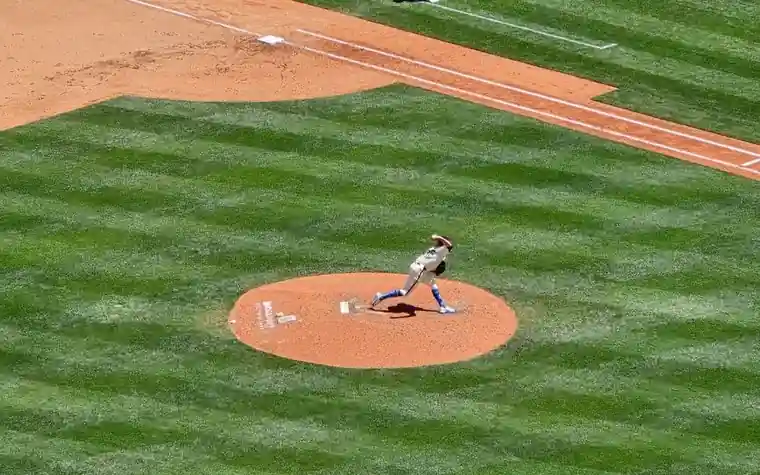
In football or basketball, one absence shifts a line by a few points. In baseball the starter throws a large share of the innings, and the gap between an elite starter and a back-end starter can be several tenths of a run per inning. Sportsbooks therefore build the moneyline and the total around the two probable starters, and they post the names next to the odds. When a starter is scratched, the price you took was built on facts that no longer apply. The settlement rule exists to handle exactly that situation.
What Listed Pitcher Means
If you bet with the listed pitchers condition, your wager is valid only if both named starters throw the first pitch. If either one is replaced for any reason, including illness, a late scratch, or a lineup change on the day, the bet is voided and your stake is returned. The tradeoff is that you are protected from a sudden swap, but you also lose the chance to keep a price that may have been good for you. Many licensed sportsbooks treat this as the standard option on baseball sides and totals, though the default setting differs by operator.
What Action Means
An action bet stands no matter who pitches. If the named ace is scratched and a spot starter takes the ball, your bet is still live at the original odds. That can be good news when the replacement is stronger than expected and bad news when the replacement is clearly worse. Because the book carries that risk, action prices are often a little less favorable than listed-pitcher prices on the same game. Compare the two before you decide which box to tick.
Where the Rule Applies and Where It Does Not
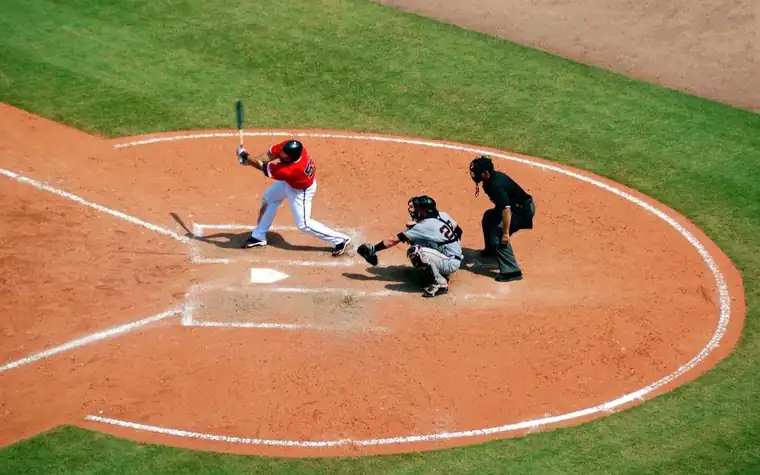
Listed-pitcher conditions normally apply to the full-game moneyline, the run line, and the game total. Rules for first-five-inning bets are often stricter, since the starter matters even more over that stretch, and some books void a first-five wager if either starter fails to start. Player props follow a different logic: a strikeout prop on a named pitcher is usually voided if that pitcher does not start. Parlays are a common source of confusion, because one voided leg is typically removed and the rest of the ticket is repriced. Our guide to parlay payouts and margin shows how removing a leg changes the final number, and the page on first-half and second-half lines covers a similar partial-game market.
Worked Example: A Late Scratch
Suppose you take Team A at -150 with listed pitchers, risking $150 to win $100. Two hours before first pitch, Team A announces that its starter has a sore shoulder and a reliever will open the game. Under listed pitcher, your $150 is refunded and you can place a new bet at the new price if you still want one, and that price may now be much longer or shorter. Under action, the $150 stays on the original odds, and you win or lose on the game as played. The first protects your decision; the second keeps your price. Neither one makes a bet more likely to win.
Things to Check Before You Bet
Read the sportsbook's baseball rules page to see how it defines a start, how it treats a pitcher who faces zero batters, and whether the default is listed pitcher or action. Confirm the probable starters close to game time, since teams often announce a day ahead and then adjust for rest or weather. Look for rules on doubleheaders, where extra rosters and shortened games change the details, and on openers, where a named pitcher throws only an inning or two by design. Our explainer on bet settlement for pushes, voids, and postponed games covers the broader rules around voided wagers.

Habits That Keep the Rule From Costing You
Pick the condition on purpose instead of accepting the default. Use listed pitcher when the starter is the main reason you like the price, and treat action as a conscious decision to back the team no matter who throws. Keep stakes small and set before you open the bet slip, and do not chase a refunded wager with a bigger one. A voided bet is not a lost opportunity, and no choice here guarantees a profit. For more on how baseball and other markets are built, browse the betting analysis section.
Settlement rules, defaults, and available markets vary by sportsbook and jurisdiction, so read the operator's terms before you bet. Only wager with licensed, regulated operators in places where sports betting is legal, and only with money you can afford to lose. No betting approach guarantees a profit. 21+ (US) / 18+ (UK). If gambling stops being fun, see our responsible gambling page.
All content is fact-checked under our editorial standards.