
Your First Casino Poker Room Visit: Waitlists, Buy-Ins, Rake and Table Etiquette
A poker room is the part of a casino where you play against other guests, not against the house. That changes how everything works, from how you get a seat to how the casino earns money. This guide walks through a first visit so the process feels routine instead of intimidating.

How a Poker Room Differs From the Pit
At blackjack or roulette the casino is your opponent and the odds favor the house. In a poker room the other players are your opponents, and the casino charges a fee for hosting the game. That fee is called the rake, and it usually comes out of each pot or is charged by the hour. Your results depend on skill and luck against the people at the table, but the fee is a steady cost you should factor in.
Getting on the List
Walk up to the poker desk or podium and tell the staff which game and stakes you want, for example no-limit Texas hold'em at a small blind and big blind of one and two dollars. Your name goes on a waitlist for that game. When a seat opens, a floor person calls your name or sends a text. Many rooms also use an app to show open games and let you join a list from your phone. Expect to show photo ID, and bring a player's card if the room uses one.
Buy-Ins, Chips and Table Stakes
Each game has a minimum and sometimes a maximum buy-in, which is the amount you bring to the table. You can buy chips at the cage or from the dealer or chip runner, depending on the room. Table stakes means the chips in front of you are all you can play in a hand. You cannot reach into your pocket in the middle of a hand, but you may add chips between hands within the room's limits. Only play with money set aside for entertainment.
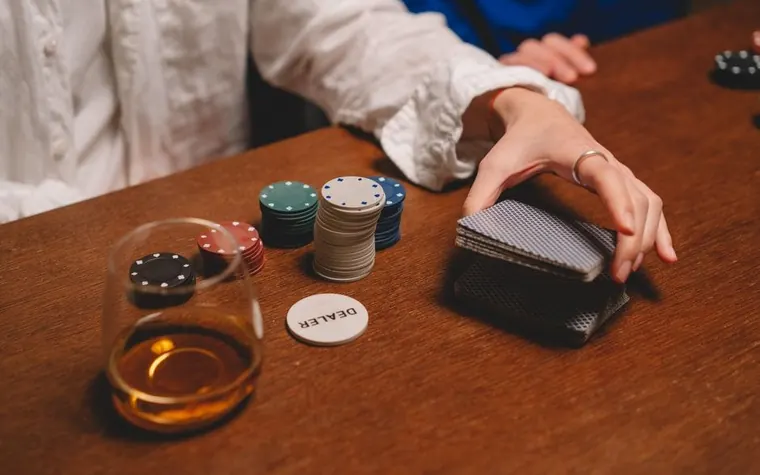
Table Etiquette That Keeps You Welcome
Etiquette is mostly about keeping the game moving and fair. Act in turn, keep your cards on the table and in view, and say your action clearly. Keep chips in neat, countable stacks. Avoid discussing a live hand or showing your cards to a neighbor while the hand is still being played. Phones are fine between hands in most rooms, but keep calls away from the table. If you are unsure of a rule, ask the dealer. New players get questions all the time, and a polite question never causes a problem.
Tipping the Dealer
Dealers in poker rooms are typically tipped by winning players after they take a pot, often a chip or two. Tipping is a custom, not a requirement, and norms vary by country and by room. There is more on this in our guide to tipping at the casino.
Cash Games Versus Tournaments
A cash game lets you sit down, play and leave whenever you like, and the chips represent real money. A tournament has a fixed entry fee, everyone starts with the same stack, and you play until you are out or reach the prize places. First-timers often find a small cash game gives more room to learn. If a tournament sounds more appealing, read our explainer on how casino tournaments work.

Before You Sit Down
Learn the basic hand rankings and how a hand of hold'em flows before you go. Our casino section has a breakdown of poker and other table games if you want to practice the rules first. Choose the lowest stakes available, set a session budget and a stop time, and leave when either one is reached. Poker involves skill, but no one can promise a win, and every session can end in a loss.
General information only; poker room procedures, rake, stakes and local rules vary by venue and jurisdiction, so confirm current details with the room before you play. Casino gambling is for adults only: 21+ in the United States and 18+ in the United Kingdom, where applicable. Gambling is entertainment with a built-in cost, not a way to make money. See our responsible gambling page if it stops feeling like fun.
All content is fact-checked under our editorial standards.