
How to Check a Casino Is Licensed: Gaming Regulators, Seals and Red Flags
A casino looks the same whether or not it is allowed to operate. The real difference is a gaming license, the legal permission that lets a venue take bets and obliges it to follow rules on payouts, audits and complaints. This guide explains who issues those licenses and how a visitor can check one in a few minutes.

What a Gaming License Actually Does
A license is permission with strings attached. The regulator sets rules on game fairness, how money is handled and who may work on the floor. It can fine a casino, suspend it or pull the license entirely. A licensed venue answers to someone. An unlicensed one answers to nobody.
Who Issues the License
It depends on the place. In the United States, states and tribes regulate casinos, not the federal government. Nevada uses the Gaming Control Board, New Jersey the Division of Gaming Enforcement, and tribal casinos answer to a tribal gaming commission. In Great Britain it is the Gambling Commission. Malta, Gibraltar and Macau each have their own authority. Rules and agency names change, so confirm the current regulator for the place you are visiting.
How to Check in Five Minutes
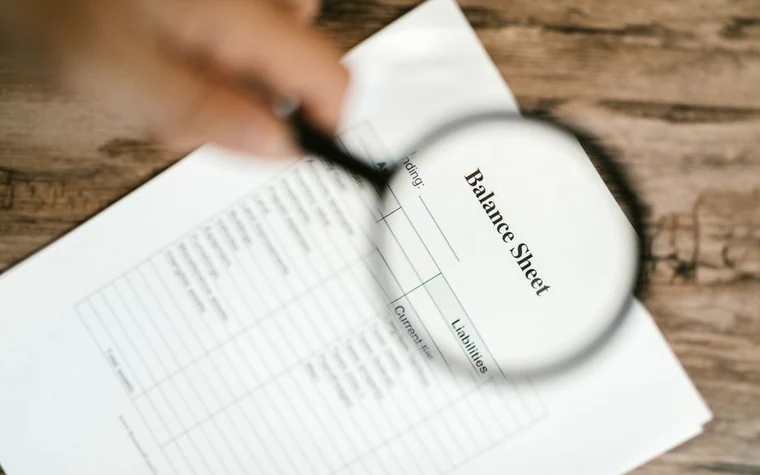
Start with the regulator's own website, not the casino's. Most publish a searchable list of licensed operators or properties. Search the exact company and venue name, then compare the address. If the name does not appear, look for a trading name or a parent company before drawing conclusions. Casino websites often display a license number or seal, but a logo can be copied, so treat it as a lead to verify rather than proof.
Red Flags Worth Noticing
Be careful with a venue that cannot name its regulator. Be careful too with one that asks for payment through unusual channels, advertises guaranteed wins or bonuses that sound too generous, or gives no address and no way to complain. A legitimate casino can tell you in one sentence who licenses it.
Why Tribal and Cruise Casinos Look Different
Tribal casinos operate under federal law and agreements with states, so the oversight comes from tribal commissions, not a state board. Cruise ship casinos follow the rules of where they operate, and often open only in international waters. Neither is unregulated. The checking method is the same: find out who is responsible, then ask them.
If Something Goes Wrong
A license matters most in a dispute. A complaint to the regulator is usually the last step after the casino's own process. Our guide to casino disputes and regulator complaints explains how that works. Keep receipts, tickets and photos from the visit.
For more first-visit explainers, browse all of our beginner casino guides.
General information only; regulators, licensing rules and complaint procedures vary by jurisdiction and change over time, so confirm current details with the official authority. Casino gambling is for adults only: 21+ in the United States and 18+ in the United Kingdom, where applicable. Gambling is entertainment with a built-in cost, not a way to make money. See our responsible gambling page if it stops feeling like fun.
All content is fact-checked under our editorial standards.