
Casino Disputes Explained: Slot Malfunctions, Dealer Errors, and How to Complain to the Regulator
Sooner or later, a casino visit produces a disagreement: a slot screen flashes a huge win and then says the machine malfunctioned, a dealer pays a hand differently than you expected, or a ticket prints for less than you cashed out. Most of these are honest mistakes, and most are sorted out in a few minutes if you know who to ask and what to say. This guide walks through how casino disputes actually get handled, in the order they usually escalate.
Stop, Don't Touch, and Stay Put
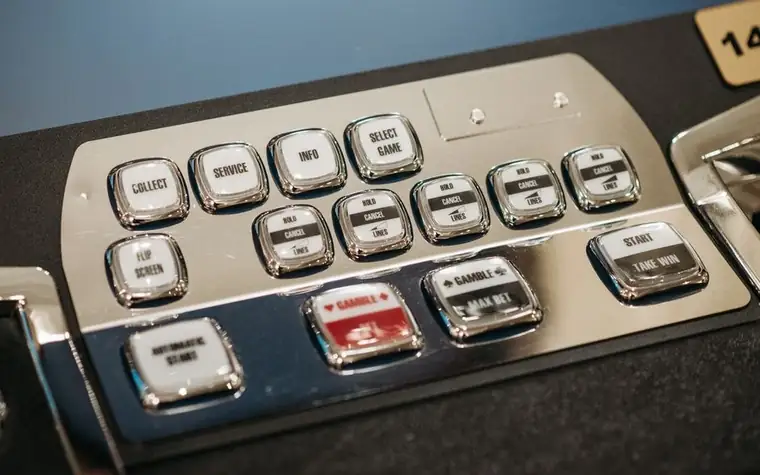
The single most useful move is to pause. On a RTP, volatility">slot machine, don't press buttons, don't cash out, and don't walk away from a screen that shows something odd. On a table, leave the cards and chips exactly where they are and say calmly that you'd like a supervisor. Changing the state of the game, even innocently, makes it harder for staff and surveillance to reconstruct what happened, and it can weaken your own case.
Who Resolves It on the Floor
Dealers don't settle disputes on their own authority. A table dispute goes to the floor supervisor (often called the floor person), then the pit boss or shift manager. Slot problems go to a slot attendant, then a slot supervisor or technician who can open the machine and read its logs. Be specific and brief when they arrive: what you were betting, what you expected, what happened instead. Staff are trained to document the claim, and a clear account helps them do it quickly.
Slot Malfunctions and "Malfunction Voids All Pays"
Almost every slot machine carries a notice, often in small print on the glass, that a malfunction voids all pays and plays. It means that if the machine displays an amount because of a hardware or software fault rather than a legitimate outcome, the casino isn't obliged to honor that number. It does not mean the casino can simply declare any large win a malfunction. Technicians check the machine's records and the game's own event history, and regulators generally require the result to be verified rather than assumed. A stuck reel display, a wrong jackpot meter, or a credit that disappears are the typical cases.
Table Game Disputes and the Video Record
Most disputes at a table come down to a payout, a misread bet, or a card exposed by mistake. Casinos record gaming areas continuously, and a supervisor can ask surveillance to review the footage of a specific hand, as explained in our surveillance guide. That review is usually the deciding factor, which is why you should raise the issue immediately rather than after you've left the table. Polite persistence works better than argument; supervisors have the authority to correct an error, and they generally prefer to do it on the spot.
Cashier and Ticket Problems
If a voucher scans wrong, a kiosk shorts you, or the cage count doesn't match your ticket, ask the cashier to check the validation record before you leave the window. Keep the ticket and any receipt, and note the time and the machine number. Our guide to TITO tickets covers the usual causes of mismatches. A mistake caught at the cage is far easier to fix than one discovered at home.
When the Casino Says No: Taking It to the Regulator
If the property can't resolve the dispute to your satisfaction, regulated jurisdictions provide an outside route. In the United States that is typically the state gaming authority, such as a gaming control board or division of gaming enforcement, and in the United Kingdom it is the casino's alternative dispute resolution provider alongside the Gambling Commission. Many regulators require the casino to notify them of disputes above a set dollar amount and to tell you how to file a complaint; the threshold and the process differ by jurisdiction, so confirm the current details on the regulator's website. Complaints are usually free, and they work best when you bring dates, times, machine or table numbers, and any receipts.
Keeping Your Own Record
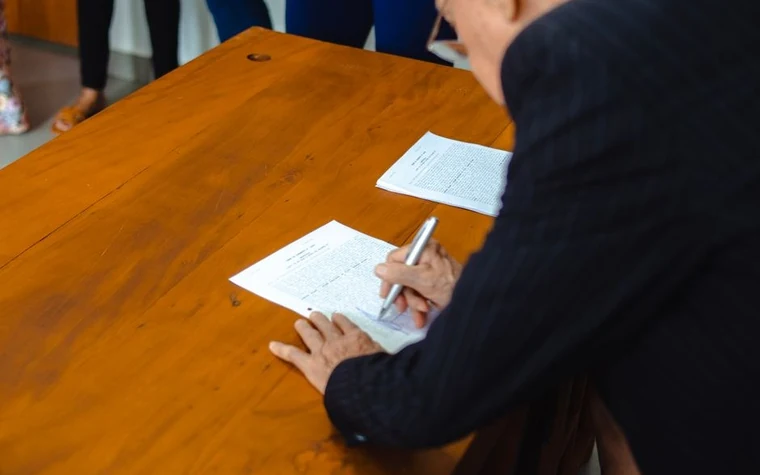
Write down what happened as soon as you can: the time, the location on the floor, the amount involved, and the names or descriptions of staff you spoke to. Photograph the machine screen or ticket if the casino permits it, and ask for the incident or reference number. Staying courteous costs nothing, and it keeps the conversation focused on facts. Bear in mind that a dispute is about whether a game result or payment was processed correctly, not about recovering losses, which are the normal cost of playing.
For more first-visit basics, browse the rest of our beginner guides.
General information only; dispute procedures, reporting thresholds, and regulator contacts vary by casino and jurisdiction and change over time, so confirm details with the property or the regulator. 21+ in the United States, 18+ in the United Kingdom. If gambling feels like more than entertainment, visit our responsible gambling page.
All content is fact-checked under our editorial standards.