
Japan's Osaka Casino: What's Built, What's Legal, and Why It Isn't Open Yet
Japan does not have an operating casino anywhere in the country. That single fact surprises a lot of people who have read headlines about a "Japanese casino boom," because what actually exists so far is a construction site on a reclaimed island in Osaka Bay, a regulatory body that only started licensing work a few years ago, and a target opening date that has already slipped more than once. Understanding the Osaka project means understanding what has genuinely been decided and what is still just a plan on paper.
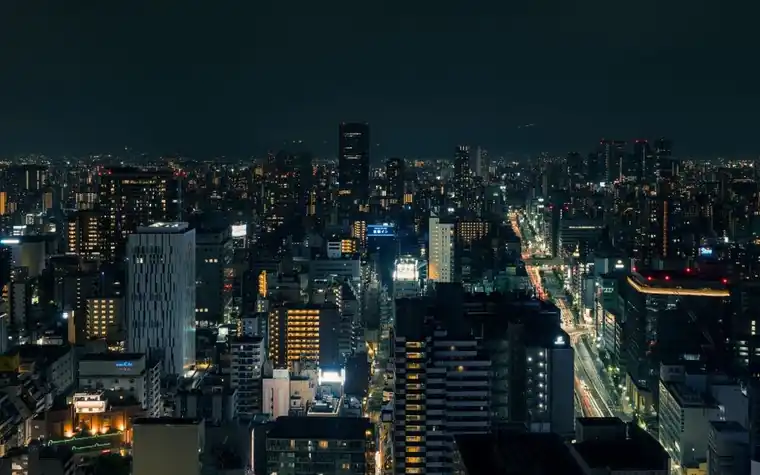
How Japan legalized casino gambling at all
Japan banned commercial casino gambling under its penal code for decades, with pachinko surviving only through a legal workaround involving prize exchange rather than direct cash payouts. That changed with the 2016 IR Promotion Act and the more detailed 2018 IR Implementation Act, which created a legal path for a small number of "Integrated Resorts" combining a casino floor with convention space, hotels, and entertainment facilities. The law capped the number of licenses nationally at three and required each prospective host prefecture to run its own selection and approval process before applying to the national government.
Why Osaka, not Tokyo or Kyoto
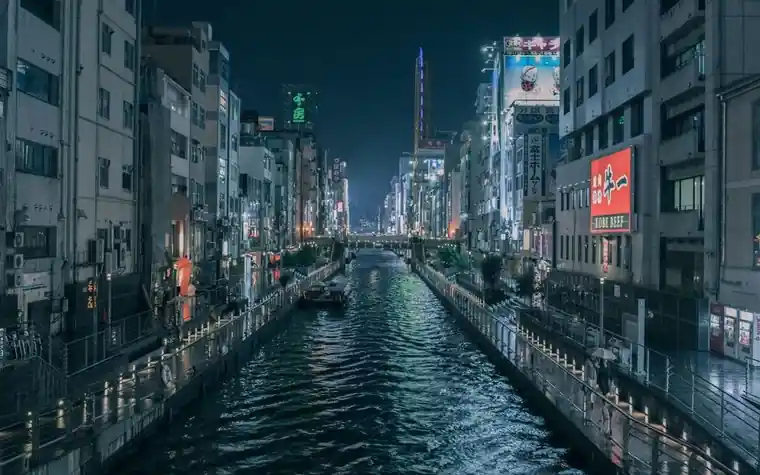
Tokyo never seriously pursued a license, and Yokohama's city government abandoned its bid after a change in mayoral leadership and strong local opposition. Osaka moved further and faster than any other candidate, pairing its bid with the city's hosting of Expo 2025 on the same artificial island, Yumeshima, as a way to justify the infrastructure spending. Osaka Prefecture and Osaka City selected a consortium led by MGM Resorts and Orix as the operator, and that plan became the first, and so far only, IR application approved by Japan's national government.
What's actually been built so far
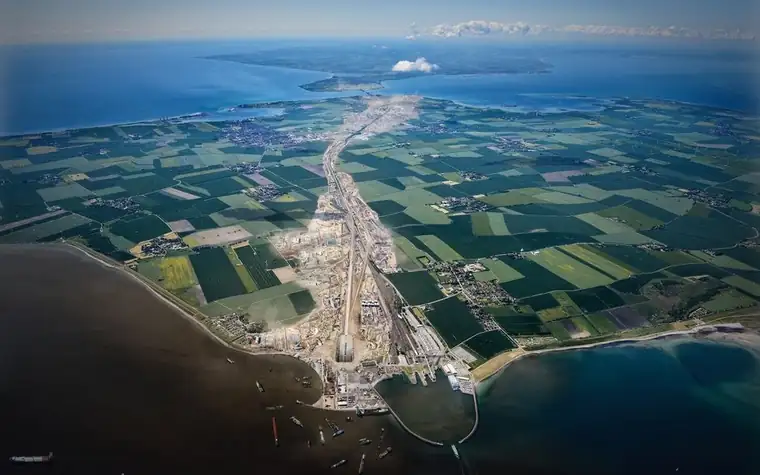
Yumeshima itself is reclaimed land built largely from landfill, and much of the recent construction traffic there has been for the 2025 World Expo pavilions rather than the casino resort. The IR construction is a separate, later-phase project on the same island, and as of now it consists of site preparation and early groundwork rather than a finished hotel tower or gaming floor. Renderings that circulate online show a planned design, not a built structure, and it is worth treating any photo of a finished Osaka casino as a concept image rather than current reality.
The license and who regulates it
Japan created a dedicated Casino Regulatory Commission to oversee licensing, background checks on operators, and ongoing compliance once a resort opens, separate from the police-style oversight that governs pachinko parlors. The Osaka IR license runs for an initial fixed term rather than indefinitely, and the operator consortium must meet a series of construction and financing milestones tied to national and prefectural approval before the casino portion can legally open to the public.
The rule that makes this different from Macau or Vegas
Japan's law treats its own citizens differently from foreign visitors. Japanese nationals and residents face an entry fee of 6,000 yen per visit and are limited to a fixed number of visits within a rolling period, a restriction built specifically to address domestic gambling-addiction concerns that came up repeatedly during the law's drafting. Foreign passport holders are not subject to the same entry fee or visit cap, which mirrors the tourist-only structure Singapore built into Marina Bay Sands, a comparison our Marina Bay Sands guide covers in more detail.
A timeline that keeps moving
The consortium's own target has shifted from an original mid-2020s opening toward the end of the decade, with 2029 and 2030 both cited at different points as construction and financing milestones slipped. Land settlement issues on the reclaimed island, cost increases tied to the Expo build-out sharing the same site, and financing conditions attached to the operator's license have all played a role in pushing the date back. Treat any specific opening year you read, including the ones in this article, as a planning target rather than a confirmed fact, and check the operator's own announcements before making travel plans around it.
What it means for regional casino tourism
Until Osaka opens, Japan remains the one major East Asian economy with no legal casino floor, which keeps outbound gambling tourism flowing to Macau, Singapore, and South Korea's foreigner-only resorts. When it does open, Osaka's scale and MGM's operating background suggest it will compete directly with Singapore for the premium Asian visitor market rather than positioning itself as a mass-market pachinko-adjacent venue. For now, our destinations coverage tracks the region's existing, already-open resorts rather than ones still under construction.
21+ in the United States, 18+ in the United Kingdom. Japan's Osaka IR is not yet open and its licensing terms, entry fee, and visit limits could still change before launch. If gambling stops being entertainment for you, see our responsible gambling page.
All content is fact-checked under our editorial standards.